
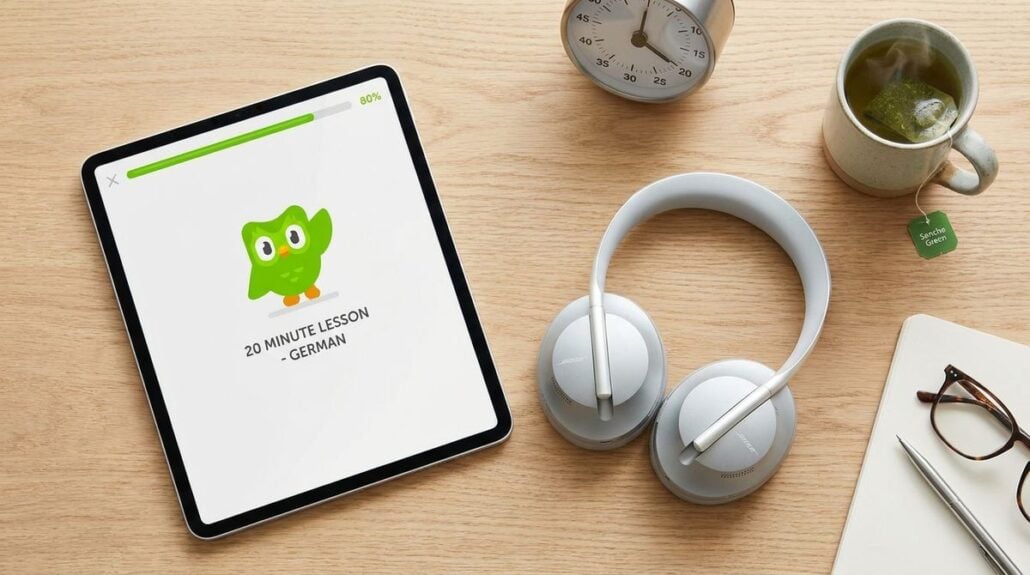
A home study program can offer flexibility that a classroom cannot, letting learners move through material at their own pace and fit lessons around work, family or personal interests. That freedom is valuable, yet it also removes the external structure that keeps many people on track. Before the first lesson opens, it helps to answer a few honest questions about why the learning matters, how much time can be protected and what progress will look like. Those answers turn a vague wish into a plan that can survive ordinary busy weeks.
The prompts below are general reflections for adults and older learners who are beginning independent study. They are not a substitute for guidance from an institution or instructor, and they do not assume a particular subject. Each prompt includes a practical way to answer it, using your own circumstances and habits. Read them before you enroll, and return to them if motivation starts to wobble.
Define Why the Learning Matters to Your Daily Life
The first question is the reason behind the program. Some learners want a new skill for a job, while others want the satisfaction of understanding a subject they have always admired. Write the reason in a sentence or two and notice how it makes you feel. A reason rooted in your daily life tends to sustain effort longer than a vague ambition. Readers may also want to visit 10speakers.
Be honest about what you hope to gain. If the goal is mostly to impress others, the motivation may fade when the praise stops. If the goal connects to a problem you want to solve, the study will have a clearer and more lasting purpose. Note that purpose on the first page of your study notebook.
Schedule Study Time Around Real Household Demands
The second question concerns time. Home study competes with cooking, work, caring responsibilities and the simple need for rest. Look at your week and identify the blocks that are genuinely available, even if they are short. A steady fifteen minutes each day may serve you better than a long session that appears only once a month. You can also visit digital-polyphony.com for more reading. Treat the schedule as a promise to yourself that you can realistically keep. Choose a quiet place for the sessions so the routine is linked to a setting.
Let the people around you know when your study time begins. A simple conversation helps others respect the boundary, and it lets you ask for support when a busy week threatens the routine. Honest scheduling is far more effective than an ideal timetable that collapses by the second week.
Choose Materials That Match Your Learning Style
The third question is how you learn best. Some people absorb information through reading, others prefer listening or watching demonstrations, and many benefit from practicing with real problems. Review the sample lessons and notice which format keeps your attention and which leaves you lost. Consider whether you need written notes, diagrams or the chance to ask questions. For a related read on this site, see How Lease Terms Work: A Plain Starter for. A good match between method and material makes the work feel more natural.
Do not assume that the most expensive resource is the most suitable. Free library books, reliable videos and simple practice sheets can work very well if they suit your pace. The honest test is whether you finish each session with a clearer understanding. Keep a notebook of questions that arise during your study so you can answer them later.
Plan a Way to Measure Progress Without Pressure
The fourth question is how you will know that you are improving. Vague feelings of progress are easy to lose during a difficult stretch, so choose a few concrete markers. These might include completing a unit, explaining a concept aloud or solving a practice problem without help. Record those milestones in a notebook and review them each week. Measuring progress should encourage you, not punish you for slow days. A learner who can see small gains is more likely to continue through harder material. Keep a short list of questions to revisit when a topic feels unclear.
It is also wise to plan a pause. Learning is cumulative, and a short break after a major unit can help the material settle. Building rest into the plan prevents burnout and keeps the goal within reach. Plan the break for a natural pause, such as the end of a unit, rather than an arbitrary day.
A Calm Start Often Leads to a Lasting Habit
The closing question is whether you feel ready to begin without anxiety. A calm start, supported by a clear purpose, a realistic schedule and suitable materials, gives the habit its best chance to take root. Once the first few sessions are complete, the routine becomes easier to maintain because the practical decisions are already made. Keep your goal visible, adjust the plan when life changes and celebrate the quiet moments when something finally clicks. Steady progress is built from ordinary days of attention. Keep the first sessions short so that starting feels easy rather than heavy.