
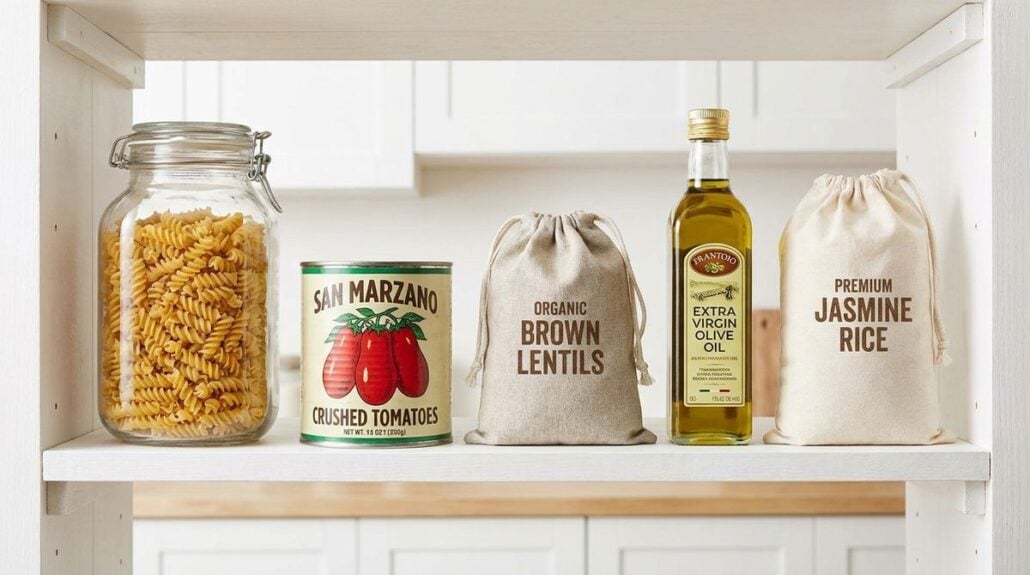
A well stocked pantry can make weeknight cooking calmer and reduce trips to the store. Many home cooks feel overwhelmed by lists of ingredients that seem essential, yet most kitchens can start with a small, flexible set of staples. The points below explain how to build a pantry step by step, with attention to storage, rotation and sensible budgeting. The aim is practical variety rather than a shelf full of single use items.
Start With Versatile Staples
Grains, dried beans, canned tomatoes, cooking oil, salt, vinegar and a few spices cover a surprising number of meals. Choose items that can move between cuisines, since a bag of rice works in soup, salad and stir fry alike. Buy a little at a time so nothing expires before it can be used in a recipe.
Basic reference lists can help a shopper decide what to add next. Readers may also want to visit primrose-soft.com. A short written list kept on the phone can prevent forgotten items at the store.
Learn Storage Basics
Cool, dry and dark cupboards keep most dry goods fresher for longer. Transfer flour, rice and pasta into airtight containers with clear labels that show the purchase month. Keep spices away from the stove, where heat and steam can reduce their flavor and aroma faster than most people expect.
Simple storage rules can also reduce waste. Many cooks place newer items at the back and older items at the front, so the oldest packages get used first. You can also visit androidmir.net for more reading.
Rotate Stock and Track What You Use
A short list taped inside the cupboard door helps track what is running low. Update it after each shopping trip, and cross items off when they are used up. This habit prevents the common problem of buying a third jar of something that was already sitting on the shelf in the back row.
For a related read on this site, see Housemates and a Shared Laundry Rota Without Resentment. Matching recipes to existing stock saves money and cuts down on forgotten items that quietly expire. Many families find that a quick weekly look at the shelves makes meal planning feel much easier.
Budget for Gradual Upgrades
Pantries grow over time, and budget friendly shoppers often add one item each week rather than refilling everything at once. Buying store brands, larger pack sizes for frequent staples and produce that is in season can keep costs stable. Compare unit prices on the shelf label, since the biggest package is not always the cheapest per portion.
Avoid stocking specialty ingredients for a single recipe unless the household will use them again. Ask whether a substitute already on the shelf could work, since flexible cooking is one of the best money savers in any home. A jar of something unusual can sit untouched for a long time if nobody plans to cook with it.
Refresh the Shelves Each Season
Seasonal reviews keep the pantry relevant. Check expiration labels, wipe the shelves and move ingredients that the household no longer uses to a more convenient place. Donating unopened items that will not be used can help a neighbor or a local food program, which turns an extra can into real support for others.
Notice which meals appear repeatedly and which ingredients keep going unused. That information helps shape the next shopping list and reduces waste without forcing big changes to the household routine. Small adjustments made each season add up to a pantry that fits the way people actually cook.
Pantries also benefit from a few reliable backups. A spare bag of rolled oats, a small reserve of canned fish and a jar of nut butter can stretch a meal when fresh produce runs out. These items keep well and form a dependable safety net for busy weeks. Check their expiration notes regularly and rotate them into daily cooking so the reserve never becomes a forgotten corner.
Cooking from the pantry also builds creativity. Pair a can of beans with onions, garlic and a splash of vinegar for a simple side. Stir a spoonful of tomato paste into rice for extra color and depth. Experimenting with what is already on hand turns a limited selection into a range of satisfying meals. Households with children may enjoy involving them in the stocking process, letting them help label containers and suggest one new item to try each month.
Keep the shelf list in view so that the next shopping trip starts with a clear plan. A few minutes of organization each week keeps the whole pantry working smoothly. Good habits compound quietly, just like a steady savings plan. A basic pantry is a working tool rather than a showcase. Start with staples that stretch across meals, store them with care, track what remains, add new items gradually and review the shelves regularly. A household that follows these steps usually finds cooking less stressful and grocery trips more focused, even on busy weeks.