
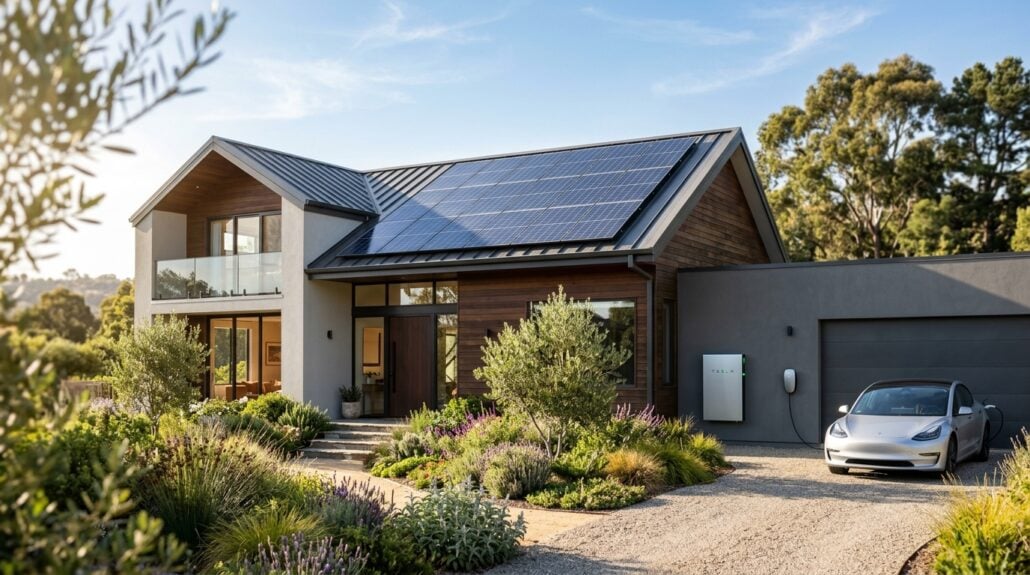
When most people think about residential solar power, they imagine lower electric utility bills and running their household air conditioning without guilt. Yet for many active households, rooftop solar panels serve another exciting purpose. They provide a self-reliant energy station for outdoor gear, personal transit, and active weekend adventures.
Modern outdoor lifestyles often require a surprising amount of electricity. From charging battery-powered trail gear and portable cooler boxes to keeping navigation electronics ready for the road, outdoor enthusiasts rely heavily on dependable electricity. Using clean power generated right on your roof makes your active lifestyle more sustainable and self-contained.
Whether you enjoy daily cycling, camping trips, or specialized adventure sports, integrating your recreation with your clean energy system can transform your garage or workshop into a high-utility outdoor hub. Here is how homeowners can safely design, manage, and enjoy a solar-powered routine for their favorite pastimes.
Building a Dedicated Solar Charging Hub for Daily Travel
Personal electric mobility has reshaped how people commute and spend their leisure time. Electric bicycles, scooters, and cargo bikes allow homeowners to replace car trips with fresh-air rides around town and along local trails. However, keeping several batteries charged and ready for impromptu rides requires a dedicated charging strategy.
Setting up a solar charging station in your garage or utility shed is a straightforward way to get more utility from your rooftop panels. By mounting sturdy wall brackets, heavy-duty power strips, and organized cable management, you can keep your commuting equipment charged directly from daytime sun. Charging during peak daylight hours ensures that your rides are powered by pure sunlight rather than grid power.
Choosing the right equipment is an essential starting point for any homeowner who wants to make cycling a regular habit. When exploring options for reliable bicycles and personal transit, visiting martin-bike.com provides valuable insight into selecting bikes and commuter styles that match your everyday personality and fitness goals.
Once you bring your gear home, establish a sensible charging routine. Always place chargers on non-combustible surfaces like concrete floors or metal shelving, away from flammable garage items. Quality battery management keeps your equipment operating safely for countless rides across local paths.
Upgrading Your Home Workshop for Adventure Equipment
As outdoor hobbies grow, gear maintenance often moves from a casual living room task to a full workshop setup. Whether you need to run high-volume air blowers to dry watercraft, operate battery maintenance systems for camping trailers, or power tools for tuning trail gear, your workshop electrical demands can add up quickly.
Connecting these workshop demands to a home solar system requires careful circuit planning. Dedicated outlets protect your home from sudden circuit overloads, particularly if you run heavy equipment like small air compressors, pressure washers, or high-capacity power banks at the same time. Installing a dedicated sub-panel in a detached shed or garage can give your hobby area reliable power without disrupting household appliances.
Whenever you consider expanding your electrical wiring or adding dedicated sub-panels to support high-draw recreation gear, working with qualified professionals is vital. Before hiring any contractor to modify your electrical service or solar configuration, take time to learn about protecting yourself from contractor scams so that you can verify credentials and avoid unlicensed installations.
Proper permits and inspections give you complete peace of mind. A well-constructed hobby workshop protects both your expensive outdoor gear and the overall safety of your home, ensuring your energy system handles sudden surges with ease.
Managing Risk and Safety in High-Liability Outdoor Pursuits
Many homeowners who love the outdoors eventually progress beyond casual local rides into technical adventure hobbies. Pastimes like scuba diving, deep-water sport fishing, and technical boating require specialized gear, specialized training, and a deep appreciation for personal safety. These pursuits also bring unique property and legal considerations into the picture.
For instance, maintaining specialized diving equipment, charging submersible lights, or operating personal compressor units requires rigorous adherence to equipment standards. Faulty electrical connections around damp gear or water-adjacent workspaces can create severe hazards. Taking safety precautions at home is an essential step toward preventing accidents out in the field.
Beyond household maintenance, participants in technical water sports often interact with commercial charters, rental outfits, and specialized excursion operators. If you enjoy deep-water exploration, working with a knowledgeable Diving Legal Consultant can help you understand liability waivers, maritime safety standards, and personal rights before embarking on complex dive excursions.
Being proactive about safety and legal clarity allows you to pursue demanding sports with confidence. When you know your equipment is properly cared for at home and your rights are understood on the water, you can fully enjoy every excursion.
Practical Steps for Balancing High-Demand Hobby Gear
Operating multiple battery banks, outdoor lights, and sports electronics can strain your energy reserves if you charge everything at night. Aligning your hobby routines with your solar production curve allows you to use your energy efficiently without relying heavily on imported power from your local utility company.
To keep your adventure equipment ready for weekend use while maximizing your rooftop generation, consider adopting a few straightforward management habits:
- Plug in large recreational batteries during peak midday sun when your rooftop panels produce excess electricity.
- Use programmable outlet timers to stop charging once batteries reach full capacity, avoiding unnecessary standby power draw.
- Keep charging stations clean, well-ventilated, and protected from summer garage heat to preserve battery health.
- Group your gear charging by hobby so that daily commuter items never compete with occasional weekend gear.
By staggering your power use throughout the day, you prevent sudden spikes in electrical demand. This approach helps your home storage batteries remain full for evening household needs, keeping your entire energy ecosystem balanced and resilient.
Creating a Sustainable Outdoor Routine for the Long Term
Integrating outdoor hobbies with home solar power is not a temporary project. It is an evolving lifestyle habit that connects your passion for nature with how you power your everyday life. When your daily commute, weekend trail rides, and outdoor adventures run on clean sunshine, your environmental footprint shrinks naturally.
Take time each season to inspect your outdoor equipment, examine charging cords for wear, and dust off garage outlets. Simple maintenance routines ensure that your setup remains dependable throughout the year, ready for whatever adventures lie ahead.
With thoughtful planning, quality gear, and sensible safety measures, your home solar system can do much more than power light bulbs. It can become the clean engine behind an active, adventurous lifestyle that you and your family enjoy every single day.