
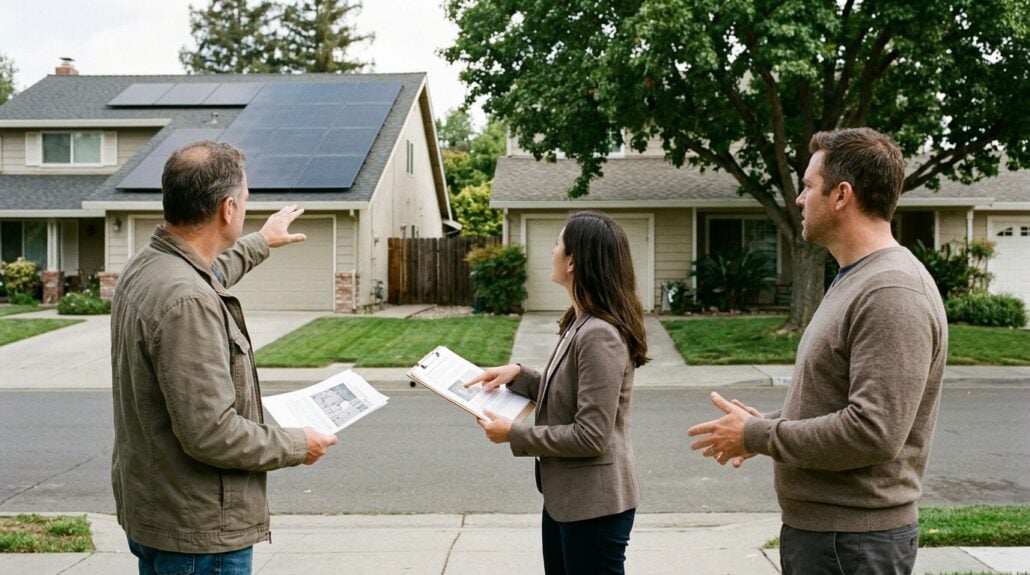
Upgrading your home with a rooftop clean energy system is one of the most rewarding home improvements a property owner can pursue. Producing your own electricity reduces reliance on the traditional power grid and enhances the overall efficiency of your living space. However, adding panels to your roof involves much more than simple equipment assembly. It requires navigating local municipal codes, securing utility approvals, and coordinating with neighborhood associations.
Because home solar represents a substantial addition to residential infrastructure, the process naturally intersects with regulatory oversight and local consumer protection laws. Most homeowners start their renewable energy journey focusing on panel technology or aesthetic placement, only to realize that local paperwork and installer credibility dictate the success of the project. Knowing how to steer through municipal requirements while identifying untrustworthy operators keeps your home safe and your investment secure.
Understanding Municipal Permitting and Interconnection Rules
Every residential solar installation requires proper municipal permits before work begins. Local building departments inspect structural roof integrity to ensure the roof rafters can support the added weight of the racking and panels. At the same time, electrical inspectors verify that your home distribution panel can safely manage the bidirectional flow of current. Skipping these essential permits can void homeowner insurance coverage, create severe safety hazards, and complicate any future sale of your property.
Alongside local building permits, you must secure an interconnection agreement from your local electric utility. This official approval allows your system to feed surplus clean energy back into the broader electrical network. Utilities maintain rigorous safety protocols to protect utility line workers from unexpected electrical backfeeding during grid outages. Because every utility sets its own technical requirements, the administrative procedures for grid connection can vary dramatically depending on where you live.
When neighborhood disputes arise or building authorities delay system approvals over confusing codes, having a working grasp of administrative rulemaking makes a tangible difference. Local jurisdictions continually refine their zoning guidelines, fire safety setbacks, and clean power initiatives to keep pace with changing residential technology. Homeowners who want to unravel complex regulatory frameworks and understand how statutory standards apply to civic governance can turn to policydevelopment.org for insight into resolving intricate administrative challenges.
Recognizing Rogue Operators and Unlicensed Installations
The rapid growth of residential solar has attracted many skilled tradespeople, but it has also created opportunities for bad actors. Rogue operators often rely on aggressive door-to-door sales, high-pressure deadlines, and misleading promises of cost-free installations. In extreme situations, disreputable contractors collect initial deposits and abandon the job site, or hire unlicensed laborers who perform substandard electrical work without pulling mandatory city permits.
Distinguishing between normal scheduling delays and deliberate contractor misconduct is critical for homeowners. Legitimate contractors maintain transparent communication, carry valid state licenses, and readily share their official permit applications. In contrast, fraudulent operators evade requests for license verification, forge signatures on loan documents, or falsify engineering review stamps to circumvent safety inspections.
While everyday service disputes typically remain confined to civil court or standard mediation, severe violations like falsifying safety inspections or collecting deposits under an alias cross directly into criminal fraud. For homeowners seeking to understand how the legal system penalizes egregious misconduct, exploring real-world examples of why go to jail is an appropriate consequence for deceptive operators helps clarify the distinction between civil breaches and criminal offenses. When dishonest contractors intentionally deceive customers, forge documents, or misappropriate funds, state licensing boards and local law enforcement step in to pursue formal criminal charges.
A Homeowner Checklist for Vetting Solar Contractors
Protecting yourself against dishonest practices requires methodical verification before you hand over any money or sign a work agreement. Taking proactive steps gives you complete confidence that your chosen installer holds the proper qualifications and adheres to all local safety standards.
- Verify active electrical and general contractor licenses through your state licensing database.
- Request proof of comprehensive general liability and active workers compensation insurance.
- Confirm that all building and electrical permit applications are filed under the contractor official business license.
- Insist on detailed equipment specification sheets that outline the exact models of panels and inverters being installed.
- Establish milestone-based payments tied directly to completed municipal inspections rather than paying large upfront deposits.
Before entering any formal agreement, carefully examine the payment schedules, warranties, and cancellation rights outlined in your paperwork. Taking time to review our dedicated resource on understanding solar contracts and homeowner consumer rights provides valuable clarity on essential contract clauses and standard consumer protections. A transparent installer will welcome your diligence and encourage you to review every detail without pressure.
Navigating Homeowners Associations and Neighborhood Covenants
If you live in a planned community or neighborhood governed by a homeowners association, you will likely encounter architectural review committees. Historically, some associations attempted to ban rooftop panels based on aesthetic concerns, arguing that solar arrays disrupted the visual harmony of neighborhood streetscapes. Fortunately, many states have enacted solar access laws that prevent neighborhood associations from completely prohibiting solar installations.
Even in areas with robust solar access protections, associations may establish reasonable aesthetic restrictions. These rules often govern panel placement, conduit concealment, and the visibility of mounting hardware from the street. The most effective approach is to submit your complete architectural design package early, including detailed roof plans and equipment profiles. Working cooperatively with your association board prevents unnecessary friction and ensures your installation proceeds without administrative delays.
Safeguarding Your Property and Long-Term Peace of Mind
Adding solar panels to your home is an investment in self-reliance, modern comfort, and environmental stewardship. When completed with proper permits, qualified professional labor, and total regulatory compliance, a residential solar array provides dependable clean power for decades. Staying informed about local building codes, insisting on licensed tradespeople, and approaching every contract with clear eyes guarantees that your transition to clean energy remains a positive experience.