
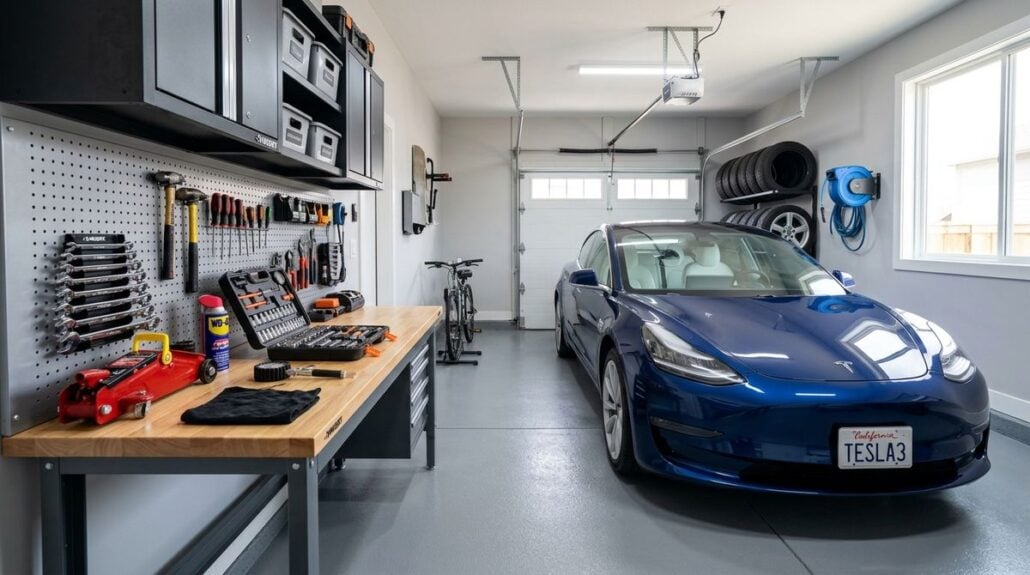
Investing in a residential solar array changes how a household thinks about daily power consumption. Once clean sunshine generates a portion of your electricity, extending that self-reliance to your daily transportation becomes an exciting next step. Choosing the right automobile to complement an active home solar setup requires looking beyond sleek styling and showroom appeal.
Modern households balance many demands, from family carpools and school runs to weekend excursions and daily errands. Selecting an automobile that matches your clean lifestyle involves understanding vehicle efficiency, evaluating structural build quality, and knowing how routine maintenance impacts energy usage. When your vehicle and home energy systems work in harmony, you enjoy dependable performance, lower dependence on public infrastructure, and greater control over your domestic utility routines.
Understanding How Vehicle Engineering Affects Home Energy
Every vehicle demands energy to move, whether drawn from a retail fuel pump, a commercial fast-charging station, or your own rooftop panels. Understanding how an automobile converts stored energy into motion helps homeowners make practical choices for their daily routines. Vehicles equipped with efficient electric drivetrains or advanced hybrid systems make the most of every kilowatt produced during sunny afternoon hours, converting domestic electricity into smooth, quiet travel.
Curb weight, aerodynamics, and motor tuning all influence how much power an automobile consumes across a typical driving week. A heavier frame naturally requires more energy to get rolling and climb highway grades, while a streamlined silhouette glides through highway wind resistance with minimal drag. When evaluating options, look at how efficiently the vehicle manages energy across varied driving conditions rather than focusing solely on cabin volume or cosmetic exterior trims.
Onboard charging hardware represents another essential engineering factor that homeowners must consider. Some vehicles feature robust internal charging converters that accept power smoothly, allowing your home electrical system to supply energy without sudden voltage swings or grid friction. Choosing a model with flexible charging controls ensures you can time replenishment during peak solar production windows while your rooftop panels operate at their highest capacity.
Researching Automotive Technology and Build Standards
Automakers introduce new vehicle platforms every season, each offering different combinations of electronic sensors, climate controls, and dynamic drive modes. Homeowners benefit from looking beneath the surface to see how durable and well-assembled these platforms really are. High build quality prevents premature wear, reduces cabin road noise, and ensures that complex electrical components function smoothly over years of daily family ownership.
Digital architecture plays a significant role in how modern vehicles interact with residential energy setups. Advanced vehicles often come with companion mobile software that lets you monitor power intake, preheat or pre-cool the passenger cabin, and schedule charging sessions remotely. Reliable software integration means you can temper the cabin using direct rooftop solar power before leaving your driveway, saving battery reserves for the open road.
Keeping up with industry developments helps homeowners separate short-lived marketing trends from genuinely reliable vehicle engineering. Dedicated automotive resources like busdriverse.com offer in-depth perspectives on modern vehicle technology, manufacturing updates, and the latest releases from global automakers. Reviewing informed industry coverage allows you to discover how different brands handle battery thermal management, structural longevity, and onboard computer reliability before scheduling a dealership test drive.
Comparing New and Pre-Owned Models for Household Needs
Deciding between a showroom-new vehicle and a dependable pre-owned option is a major milestone for any household. Brand-new models showcase cutting-edge energy management systems, factory warranties, and the latest driver assistance innovations. However, pre-owned vehicles frequently deliver exceptional value, especially if they have been maintained according to rigorous manufacturer guidelines throughout their road life.
When shopping the pre-owned market to complement your solar lifestyle, thorough physical and digital inspection is essential. You want to verify that high-voltage battery health remains solid, auxiliary electrical components operate without fault, and previous owners followed consistent maintenance schedules. A pre-owned hybrid or fully electric commuter car can serve as a dependable, budget-friendly companion to clean home energy when selected with care and diligence.
Finding the right balance between vehicle age, condition, and purchase price requires exploring broad inventory networks and qualified service options. Comprehensive automotive platforms such as motogprem.com help car shoppers locate professional automotive services, track market trends, and research new and used vehicle listings across various categories. Using established automotive directories gives you the confidence to compare local options, verify dealer support, and secure a vehicle that fits your household transportation goals.
Prioritizing Professional Vehicle Care and Routine Upkeep
Owning a modern vehicle is an ongoing commitment to regular maintenance and preventative care. Even vehicles with fewer moving mechanical parts require disciplined attention to tires, suspension alignment, brake assemblies, and cooling loops. Neglecting simple upkeep creates mechanical drag and parasitic electrical loss, forcing the drive motors to pull more energy to travel the same distance.
Tire pressure and tread condition directly affect rolling resistance and overall driving efficiency. Keeping tires properly inflated using a small home compressor ensures smooth handling, enhances road grip, and extends tread life. Similarly, clean cabin air filters, properly lubricated chassis components, and healthy auxiliary batteries keep electrical systems operating without unneeded strain on your home power circuits.
Routine vehicle care also includes exterior washing, paint protection, and seasonal prep so your automobile withstands harsh weather and sun exposure. If you want to integrate clean home energy into your weekend garage projects, exploring practical guides on maintaining household vehicles with solar power provides clear methods for detailing, running diagnostic tools, and powering garage equipment directly from rooftop arrays.
Practical Steps to Plan Your Vehicle and Solar Integration
Bringing a new or used automobile into a solar-powered home goes smoothly when you plan ahead. Taking a methodical approach helps you avoid unexpected panel upgrades and ensures that your vehicle charging routines align seamlessly with your daily domestic lifestyle.
Follow these essential steps when preparing your home and selecting a vehicle:
- Assess your weekly mileage: Calculate your typical driving distance to determine how much daily energy replenishment your household will require.
- Examine your electrical service panel: Confirm that your breaker box has adequate capacity to handle dedicated vehicle charging equipment alongside standard household appliances.
- Review daytime solar generation: Note the hours when your rooftop panels produce surplus power so you can schedule daytime vehicle charging sessions.
- Test vehicle software compatibility: Ensure the car you choose offers scheduling options that sync easily with your home routine and energy priorities.
Taking the time to research vehicle platforms, compare available models, and establish a consistent maintenance routine transforms your vehicle ownership experience. When thoughtful automotive choices pair with residential solar power, your family enjoys a cleaner, quieter, and more resilient lifestyle every time you take to the road.