
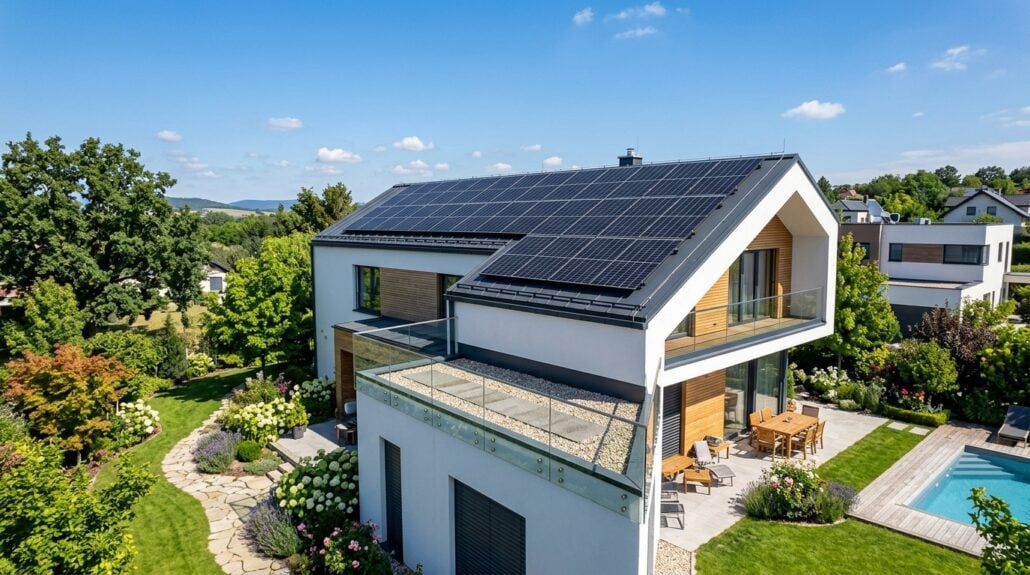
Transitioning a house to renewable energy brings exciting changes to your daily lifestyle. Clean energy reduces reliance on traditional utility grids and modernizes your living space. However, the physical process of setting up rooftop solar equipment is an intensive construction project. Crews spend hours working high above the ground, lifting bulky panels, and adjusting heavy electrical wiring across your roofline.
While most homeowners focus on sunny days and energy output, the practical realities of installation day require careful preparation. Construction projects introduce unique risks to residential properties, from accidental falls to unexpected structural damage. Understanding how safety protocols function and where legal responsibility lies helps you protect your family, your home, and the workers who step onto your roof.
Understanding On-Site Risks and Rooftop Installation Realities
A standard solar installation requires technicians to navigate steep inclines, manage awkward loads, and handle specialized tools. Residential roofs are not built like commercial work platforms. Variations in tile strength, roof pitch, and weather conditions can quickly turn routine tasks into hazardous situations for installation personnel.
Beyond height risks, solar projects involve complex electrical connections. Installers must tie photovoltaic equipment into your main service panel, which carries active electrical current. When workers handle live circuits or high-voltage components, a simple mistake can lead to severe shocks, electrical fires, or damage to household appliances.
Recognizing these dangers does not mean you should fear the process. Professional solar providers follow strict safety measures, but homeowners should always remain aware of the activity overhead. Knowing what takes place during each phase of the project empowers you to maintain a secure perimeter around your living spaces.
Clarifying Homeowner Liability and Workplace Injury Rules
A common concern among property owners is what happens if a technician suffers an injury while working on their property. Many individuals worry that a slipped ladder or a fall from the eaves could result in immediate financial or legal claims against their personal homeowner insurance policy.
In general, independent contractors and specialized installation firms are expected to protect their own employees through standard workers compensation and commercial liability coverage. Under ordinary circumstances, a property owner is not automatically responsible for injuries sustained by trained professionals performing contracted tasks, provided the homeowner did not create a hazardous condition or interfere with the work.
However, the line between general property negligence and professional workplace accidents can sometimes become complicated if unsafe property conditions contribute to an incident. To better understand how personal injury claims and workplace safety standards interact under civil law, reading clear legal overviews from Agencourt can help clarify how accident liability and employment responsibilities operate in plain language.
Educating yourself on these legal distinctions gives you confidence as a property owner. When you know where contractor responsibility ends and premises liability begins, you can approach the entire installation with greater peace of mind and realistic expectations.
Essential Steps to Verify Insurance and Contractor Credentials
The most effective way to insulate your household from liability is to confirm that your chosen solar company carries adequate insurance coverage before work begins. Never rely on verbal statements or informal assurances when it comes to risk management. Reputable businesses will readily provide proof of their policies upon request.
Always ask for a direct certificate of insurance that lists both general liability and workers compensation. General liability covers damage caused to your home or belongings during the project, such as broken roof rafters or water leaks caused by panel lag bolts. Workers compensation covers medical care and lost wages if an installer gets hurt while working on your premises.
Verifying credentials also ensures that the technicians handling your electrical panel hold valid licenses and proper industry training. For detailed guidance on spotting unverified crews before signing an agreement, read our guide on vetting solar contractors and avoiding scams to keep your property fully protected.
Taking the extra time to validate these documents creates a clear paper trail. If any disputes arise regarding craftsmanship, property damage, or site safety, your written documentation serves as solid proof that the installation company agreed to uphold professional standards.
Navigating Property Rights, Local Codes, and Safety Standards
Every homeowner possesses fundamental rights regarding who enters their land and how construction activity proceeds on their property. While a solar agreement grants technicians permission to access your roof and electrical areas, you retain complete authority over your physical living space and general site conditions.
Municipal building codes and safety regulations exist precisely to protect residential neighborhoods from sub-par construction and dangerous utility work. Local building inspectors inspect mounting structures, wire conduits, and system grounding to guarantee the installation complies with mandatory fire and building codes before granting permission to operate.
Knowing how state regulations, local building mandates, and civil statutes intersect protects you from unfair demands or unsafe work practices. For an accessible look at standard civil protections and statutory oversight, educational resources like knowyourrights2008.org provide helpful context on understanding legal frameworks and citizen safeguards.
When you understand local regulatory expectations, you can easily verify whether your contractor pulled the required permits. An unpermitted installation not only compromises the physical integrity of your roof but can also lead to fines or complications if you ever decide to sell your home.
Practical Measures for a Safe Solar Installation Day
Preparing your property before the installation team arrives creates a safer environment for everyone involved. Simple proactive adjustments minimize clutter, prevent household distractions, and allow workers to focus entirely on their technical tasks without facing unnecessary ground hazards.
Consider implementing these simple precautions around your home before the installation begins:
- Move patio furniture, potted plants, and outdoor vehicles well clear of the roofline and driveway to establish an unobstructed perimeter.
- Keep indoor pets secured in quiet rooms and remind family members to avoid walking beneath active work areas.
- Inspect ground surfaces around the house for hidden tripping hazards such as garden hoses, tools, or low branches.
- Walk your perimeter before the crew leaves to verify that stray fasteners, metal shavings, and wire scraps have been collected.
Communicating directly with the project supervisor on the morning of installation establishes clear expectations. Confirm where ladders will be staged, identify which outdoor electrical outlets the crew may use, and ask for a quick briefing on their anticipated schedule for the day.
Taking these simple precautions ensures that your transition to clean energy remains smooth, safe, and stress-free. By balancing proactive physical preparation with an understanding of contractor liability, you can enjoy all the lifestyle benefits of residential solar power while keeping your home and family thoroughly protected.