
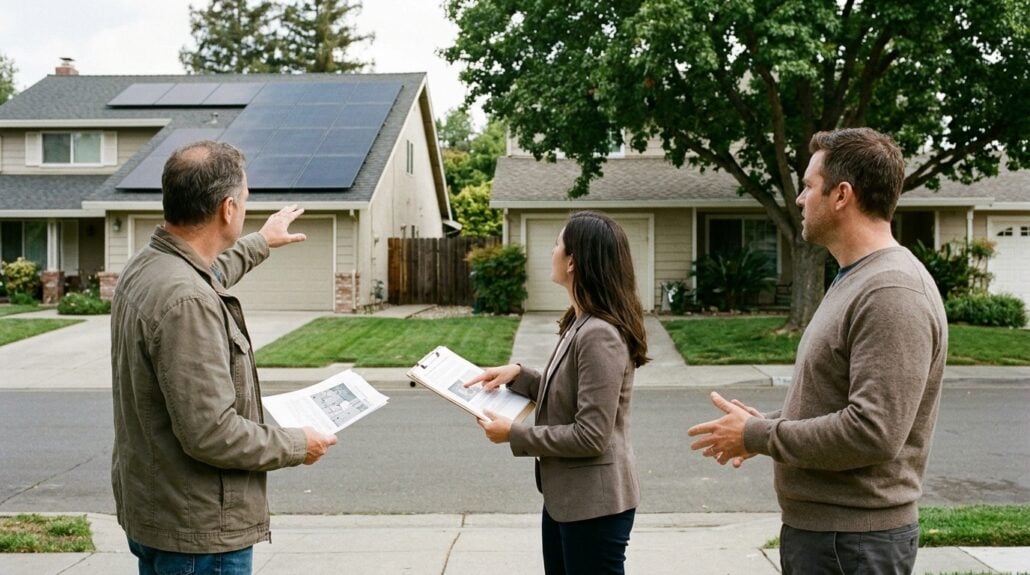
Switching your home to clean solar power is one of the most exciting upgrades a property owner can make. Rooftop panels reduce your dependence on traditional utilities, provide greater energy independence, and help modernize your living space. Yet, as more families install residential systems across suburban and urban neighborhoods, unexpected friction can sometimes arise with nearby residents or community associations. What begins as a straightforward home improvement project can turn complicated if questions about sightlines, shared trees, or neighborhood aesthetics suddenly emerge.
Living in a shared neighborhood means balancing your personal property goals with the reasonable expectations of those living right next door. A homeowner who understands how to address concerns early can avoid unnecessary stress and maintain warm relations with their neighbors. By learning the essentials of property boundaries, neighborhood covenants, and collaborative communication, you can safeguard your clean energy investment while keeping peace on your street.
Understanding Solar Access Rights and Local Covenants
Before installing equipment on your roof, it is vital to know where your property rights begin and where community rules step in. Many regions have enacted solar access guidelines designed to prevent local associations from placing unreasonable restrictions on renewable energy installations. At the same time, homeowners associations often maintain covenants, conditions, and restrictions intended to preserve architectural harmony across the community. Striking a workable balance between these two interests requires a clear understanding of local rules and guidelines.
Homeowners associations typically focus on panel placement, conduit visibility, and overall aesthetic appeal. Some association boards request that panels remain hidden from street view whenever possible. However, placing panels on shaded or north-facing roof planes can drastically diminish system efficiency. When state or municipal protections exist, associations are generally expected to accommodate installations, provided the homeowner submits proper design applications and follows standard architectural review guidelines.
Staying informed about broader property trends helps homeowners anticipate potential friction before ordering hardware. For helpful updates on property disputes, residential challenges, and general legal issues, reading through lawyernewsblog.com can provide valuable perspective on everyday neighborhood conflicts. Knowing how common community disagreements unfold gives you greater confidence when interacting with your board or architectural review committee.
Common Causes of Solar Disputes Between Neighbors
Disagreements over rooftop solar rarely stem from open hostility toward renewable energy itself. In most cases, conflicts arise from practical everyday concerns regarding visibility, property lines, and landscape maintenance. Identifying these points of friction ahead of time allows you to take preventive action before work crews arrive at your residence.
One frequent source of tension involves sunlight access and mature trees. A neighbor may cherish a tall shade tree that happens to cast an afternoon shadow across your proposed panel array. Asking that neighbor to prune or remove branches can provoke defensive reactions, particularly if the tree holds sentimental value or contributes to their privacy. Conversely, a homeowner might feel frustrated if a neighbor allows fast-growing foliage to overtake an existing solar installation on an adjacent roof.
Reflective glare and architectural appearance represent another common worry among adjacent property owners. While modern panels absorb the vast majority of sunlight to generate electricity, neighbors might worry that reflective surfaces will shine directly into their living rooms, patios, or second-story windows. You can address these concerns effectively by showing manufacturer spec sheets that demonstrate anti-reflective glass coatings and low-profile mounting hardware designed to blend smoothly with your roofing materials.
Property lines and roof overhangs can also cause friction during installation. In closely built neighborhoods, access equipment, scaffolding, or panel edges might sit near property margins. Clarifying boundaries in advance ensures that installers do not inadvertently trespass or place equipment where it encroaches on an adjoining lot.
Practical Steps to Handle Neighborhood Solar Friction
When a dispute surfaces, a calm and organized approach will always produce better results than confrontational demands. Approaching your neighbors with patience demonstrates that you value their comfort just as much as your personal energy goals. Taking thoughtful action in a structured order helps preserve friendships while resolving technical hurdles.
When planning your resolution path, following a structured series of practical actions can keep communication constructive and focused:
- Initiate an informal conversation over coffee or in the yard before submitting formal building plans.
- Share preliminary site layouts to show how panels will sit neatly along existing roof contours.
- Review municipal codes and association bylaws together to clarify shared rights and obligations.
- Consult a certified arborist to find pruning solutions that preserve tree health and privacy.
- Document all mutual agreements in writing to prevent future misunderstandings or forgotten compromises.
In addition to neighbor discussions, reviewing your initial agreements with your equipment provider is equally essential. Familiarizing yourself with solar contracts and homeowner consumer rights ensures that your installer carries appropriate liability coverage and understands local permit requirements before construction starts. A reputable installer will readily adjust placement layouts or assist with technical documentation to satisfy association guidelines without compromising system performance.
Navigating Formal Dispute Resolution and Mediation
Sometimes, casual conversations and friendly compromises are not enough to bridge the gap between parties. If an association board denies your architectural application without proper justification, or if a neighbor threatens property boundary actions, you may need to pursue formal dispute resolution. Taking a structured, measured path prevents disagreements from escalating into costly courtroom battles.
Community mediation services offer an excellent alternative to litigation. Trained mediators help both sides express their concerns, explore compromises, and construct mutually acceptable solutions without taking sides. Mediation is often faster, significantly less adversarial, and far less expensive than retaining private legal representation. Many homeowner associations maintain dedicated dispute resolution clauses within their governing documents to resolve property grievances cooperatively.
If you find yourself preparing for a formal hearing or seeking clarification on dispute proceedings, consulting dedicated legal publications can clarify procedural steps. Browsing through mycasesource.com can help you explore legal information and better understand how property and contractual disagreements are structured. Being well-prepared allows you to present your situation calmly, backed by thorough records, property surveys, and relevant written communications.
Proactive Habits to Keep Neighborhood Relations Positive
The easiest dispute to resolve is the one that never happens in the first place. Proactive homeowners make community consideration a central part of their solar journey from day one. Keeping neighbors informed about delivery schedules, anticipated construction noise, and installer vehicle parking demonstrates consideration for everyone sharing the street.
Consider inviting your neighbors to view the finished installation and answering any curious questions they might have about how residential clean energy functions. When people understand the technology and realize that it operates silently without disrupting neighborhood tranquility, initial anxieties quickly dissipate. Open communication helps normalize solar energy across your neighborhood and establishes you as a thoughtful, considerate property owner.
Maintaining open dialogue also makes future discussions much simpler. Whether you need to discuss seasonal branch trimming down the road or coordinate exterior home maintenance, the goodwill established during your installation will pay dividends for years to come.
Investing in residential solar power is an empowering decision that enhances your property and promotes sustainable living. Balancing your personal energy goals with mutual respect, clear communication, and solid community awareness ensures that your transition to clean power remains a positive experience for both your household and your neighborhood.