
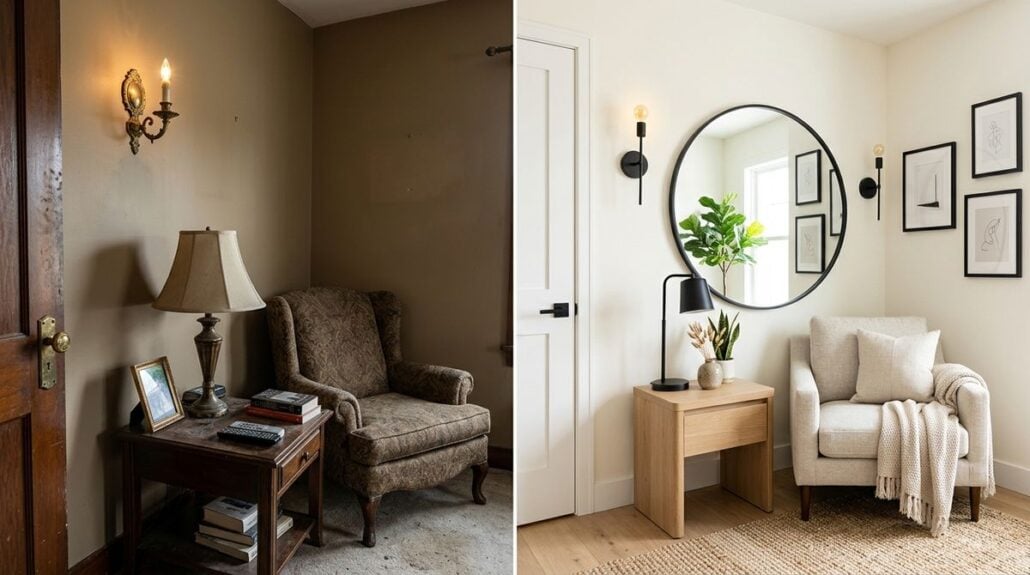
A quiet corner at home can become a surprisingly powerful place for learning. Children, teens and adults all benefit from a space that feels calm, organized and easy to use. Over two days you can plan the layout, gather simple materials and set a routine that feels enjoyable rather than forced. The first day focuses on purpose and placement within the home. The second day covers supplies, schedules and a simple way to track progress. Nothing about the plan requires expensive furniture or special equipment.
Pick a Single Learning Goal
Choose one learning goal for the space, such as reading, drawing or practicing a second language. A single focus helps you decide what belongs in the corner and what can stay elsewhere in the house. Write the goal on a card and place it somewhere nearby where the learner will see it during each session. Revisit the card whenever you think about adding something new to the area.
Talk with the learner about what they want to achieve and why it matters to them personally. Motivation grows when the goal feels personal and connected to something they already care about. Readers may also want to visit recknews.com. Ask the learner to suggest one small milestone they would like to reach within the first month.
Set Up a Reading Nook
Place a comfortable chair or a cushion where natural light falls during the daytime hours. Add a small shelf or a basket for books and magazines so that reading material is always within easy reach. Keep the area free from loose cables and clutter that could distract from the activity. A clear path to the nook makes the space feel inviting from the moment someone walks past.
Use a soft rug or a warm lamp to create a cozy atmosphere during the evening hours. Rotate the books every few weeks so that the shelf stays interesting and new titles keep arriving. You can also visit WebWooky for more reading. Choose the setup that works best for the particular person who will use the space most.
Gather Low-Cost Materials
Collect paper, pencils, a small whiteboard or chalkboard and a few containers to keep supplies organized. Many households already have these items on hand, which keeps the initial cost close to zero. Ask family members to donate old notebooks or art supplies that are still in good condition and useful for practice. Store everything in clear bins so that children can find what they need without asking every few minutes.
Add one or two practice tools, such as flashcards or a simple kitchen timer, to structure short activities. Keep the materials used most often within arm’s reach of the chair so that sessions start without delay. Avoid buying a large set of supplies before you know how the learner actually uses the space. Waiting a little longer usually leads to better choices and less clutter. For a related read on this site, see Packing Vape Gear for a Short Trip Away.
Schedule Short Sessions
Short, regular sessions usually work better than long and irregular blocks of study time. Aim for a consistent start time and a session length that fits the learner’s attention span comfortably. Use a visible schedule on the wall so the routine feels predictable rather than a surprise each day. Celebrate the completion of each session with a small, meaningful gesture that the learner enjoys.
Build in short breaks and allow movement between tasks so that the learner does not feel trapped in one position. Let the learner choose the order of some activities when possible, since choice increases ownership of the work. Flexibility keeps the space welcoming rather than strict and reduces the resistance that often appears with rigid timetables. A friendly routine tends to last much longer than a demanding one.
Track Progress on a Simple Chart
Create a basic chart that records completed sessions and a short note about what was learned during each one. Keep the design light so that it takes less than a minute to update after a session finishes. Review the chart together each week and point out the small improvements that might otherwise go unnoticed. Shared progress builds pride and confidence in ways that words alone rarely manage.
Adjust the goal or the materials when progress stalls for a while, since learning is rarely a straight line. Patience helps the learner recover momentum without feeling judged for taking a slower path. A well-tended corner becomes a lasting habit that supports curiosity and growth for years to come. Keep the chart in the nook so that it stays part of the routine.
In two days you can transform a quiet corner into a dependable learning space at home. Choosing one goal, arranging the nook, gathering simple supplies, scheduling short sessions and tracking progress create a strong foundation. The space works best when it feels comfortable and personal to the person who uses it. Keep it simple, invite the learner to help shape it and let it grow along with them.