
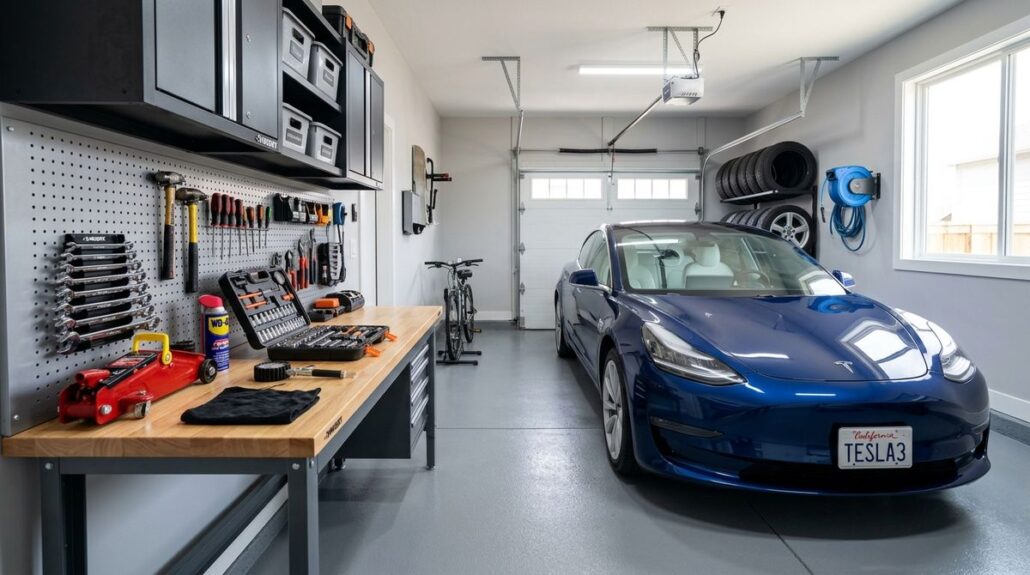
Owning high-performance motorcycles and specialized sport vehicles requires more than just parking space. Enthusiasts who appreciate agile handling, race-bred engineering, and precision tuning spend countless hours caring for their machines. Maintaining these vehicles at home demands specialized tools, proper climate management, and dependable power. For homeowners who already value self-reliance, integrating solar energy into a garage or detached outbuilding is a natural progression.
A standard residential garage often struggles to keep up with the electrical demands of serious motorsport maintenance. Between hydraulic work stands, air compressors, precision battery maintainers, and specialized diagnostic systems, electrical circuits can quickly become overloaded. Rooftop solar panels provide a clean, sustainable energy source that turns a conventional garage into a dedicated maintenance bay without placing undue strain on the main utility grid.
Assessing Electrical Loads for Precision Maintenance Equipment
Every serious workshop setup begins with a realistic assessment of tool usage and equipment requirements. Performance vehicles need regular checkups, tire pressure adjustments, chain servicing, and electronic diagnostics. Operating tire warmers before track days, running pneumatic wrenches, and using parts washers require consistent electrical supply. When these tools run simultaneously with lighting and ventilation fans, power spikes can occur.
Rooftop solar installations paired with an auxiliary subpanel allow owners to isolate their workshop tools from household circuits. This isolation prevents lights in the living room from flickering whenever a large compressor kicks on. A properly designed solar array generates clean electricity that flows straight into daily maintenance tasks, reducing operational costs while keeping equipment ready for immediate use.
Much like managing electrical demands when running a home-based driving service, organizing a performance hobby space requires balancing general consumption against high-draw machinery. Planning your system layout in advance guarantees that your workspace remains fully functional during peak sun hours and well into evening project sessions.
Maintaining Optimum Storage Conditions for Performance Bikes
High-end sport motorcycles and exotic weekend machines are sensitive to their surroundings. Moisture buildup leads to surface corrosion on metal components, while rapid temperature shifts can cause condensation inside fuel tanks and degrade delicate engine gaskets. Keeping ambient humidity low and temperatures stable is essential for long-term mechanical reliability.
Solar power makes running continuous environmental controls practical and economical. A modest solar array can comfortably run an efficient ductless mini-split heat pump and a dedicated dehumidifier throughout the day. These systems circulate clean, dry air around your vehicles, protecting exposed chains, anodized aluminum frames, and custom paint finishes from moisture damage.
Riders who admire engineering benchmarks like the World Fastest Motorcycle understand that peak performance begins with meticulous upkeep. Storing advanced machinery in a climate-controlled home bay prevents premature wear, keeps high-performance tire compounds from hardening in cold weather, and protects complex electronic control modules from damp air.
Battery health is another critical concern for modern performance vehicles. Modern bikes feature digital dashboards, anti-theft sensors, and electronic suspension controllers that draw tiny amounts of power even when parked. Low-draw solar battery maintainers supply steady float charges, ensuring your starter battery stays fully charged and ready to fire at a moment’s notice.
Practical Steps to Set Up a Solar-Powered Enthusiast Garage
Creating an independent power hub for your vehicle maintenance space requires methodical planning. Whether you are outfitting an attached two-car garage or converting a detached barn into a dedicated workshop, a systematic approach ensures reliable performance and safe operation.
Follow these practical steps to prepare your workshop space for clean solar power:
- Audit the electrical ratings of your diagnostic computers, battery tenders, air compressors, and hydraulic lifts to calculate overall workshop needs.
- Inspect the roof surface of your garage or outbuilding to confirm structural integrity and sun exposure before mounting panels.
- Install a dedicated subpanel with heavy-duty circuits specifically configured for high-draw power tools and workshop machinery.
- Add a stationary storage battery to store excess daytime solar production for evening wrenching and continuous battery tender support.
Implementing these steps creates a robust framework that supports everything from minor fluid changes to extensive teardowns. Placing equipment on dedicated circuits also makes it easy to monitor which tools consume the most power throughout your regular maintenance routine.
Protecting Your Investment with Safety and Coverage Awareness
Building out a high-caliber home shop represents a significant personal commitment, both in equipment and in the vehicles parked inside. High-performance sport bikes, specialty tools, and custom components require careful risk management. Fire safety equipment, dedicated chemical storage cabinets, and properly ventilated battery charging areas should be integrated from day one.
Safety also extends beyond workshop organization to proper insurance protection. Modifications to your garage structure, the installation of rooftop solar equipment, and the presence of rare or high-value motorcycles can impact your overall insurance coverage. Exploring platforms like Car Insurers Online provides useful context on how custom vehicle parts, storage locations, and high-value machines are evaluated by carriers.
Clear communication with your property and vehicle insurers helps avoid unexpected coverage gaps. When providers understand that your machinery is stored in a secured, climate-controlled, and professionally wired space, finding policies that cover both the structure and the prized vehicles within becomes far more straightforward.
Long-Term Benefits of Clean Energy in the Home Garage
Transitioning your vehicle care space to solar energy delivers rewards that extend well beyond lower electricity bills. Working on performance machinery requires focus, cleanliness, and an environment free from harsh fumes or deafening background noise. Solar systems operate in complete silence, allowing you to enjoy your workshop time without the clatter of noisy generators or worrying about peak utility rates.
Additionally, residential solar setups offer resilience against localized power disruptions. When paired with a stationary battery bank, your workshop can maintain critical functions during grid outages. Battery tenders continue floating, security cameras remain active, and overhead task lighting stays bright, ensuring your pride and joy remains safe regardless of weather events.
A solar-powered garage represents the perfect harmony between passion and practicality. By combining sustainable clean power with precision vehicle care, homeowners build a private haven where engineering excellence is both celebrated and preserved for every open road ahead.