
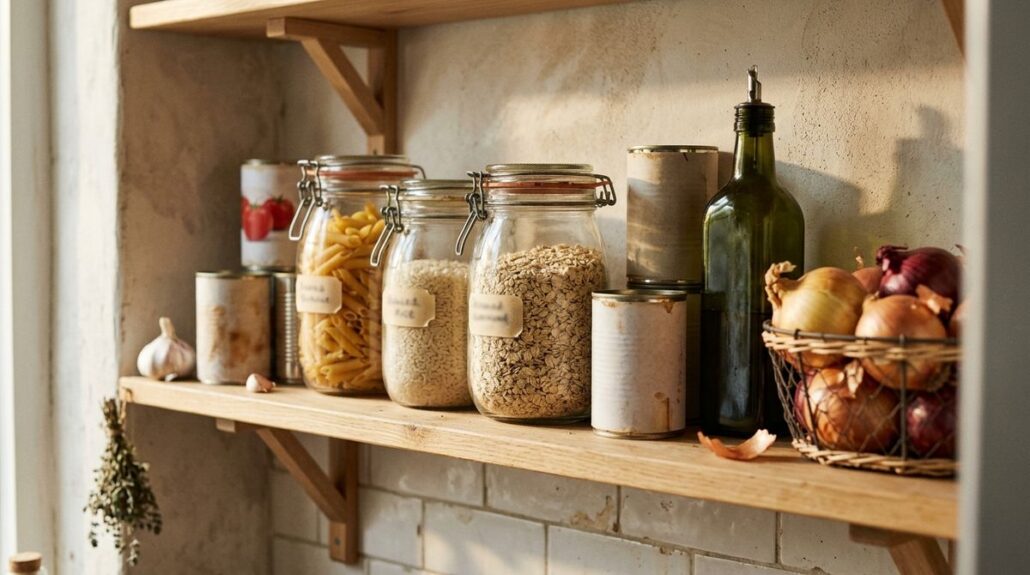
Every season brings more fruit and vegetables than most kitchens can use fresh. Some households turn to the traditional canning method, with heated jars and sealed lids sitting on a shelf for months. Others reach for the freezer, sliding portions into bags and labeling them for quick weeknight meals. Both approaches preserve food, yet they change flavor, texture and the amount of effort required. This article compares them so you can choose a method that suits your kitchen, and it reminds you to follow tested instructions for any method you pick.
Canning and the Shelf-Stable Pantry
Canning transforms produce into shelf-stable jars that can sit in a cupboard for a long time. Pickles, jams and tomato sauce pack neatly, and an open pantry shelf full of color feels rewarding. The process requires heat, careful timing and either a pressure canner or a water bath, depending on the food. Experienced cooks often enjoy the ritual of lids sealing as the jars cool.
The method asks for patience and precision. Jars must be clean, headspace measured correctly and seals checked before storage. Shortcuts can lead to unsafe results, so use recipes from reliable sources. Readers may also want to visit cbdjiaoyi.com.
Freezer Bags and Quick Weeknight Meals
Freezing preserves color and nutrients well when produce is blanched first and packed in airtight bags. Berries can go straight into the freezer, while beans and corn need a brief dip in boiling water before storage. Frozen portions skip the hot water bath and feel much faster on a busy evening. Labeling each bag with the date and contents prevents guessing later.
Freezing has its own challenges. Some vegetables turn soft when thawed, and freezer burn can dry out food stored too long. Cold storage also needs a reliable freezer that stays at a steady temperature. You can also visit drfoxvet.net for more reading.
Choosing Based on Taste and Time
Canned foods often taste tangy and concentrated, which suits sauces, chutneys and soups. Frozen produce tends to keep a fresher flavor, so it shines in smoothies, stir-fries and baked dishes. Think about how much time you have during the busy season. A pressure canning session can fill an afternoon, while a freezer session may take only an hour. For a related read on this site, see Taking a Vape on a Trip: Paper Checklists.
Consider how the food will be used. A jar of pickles is ready to eat straight from the shelf, which makes it handy for sandwiches and picnics. A bag of sliced peaches needs thawing before use, but it works well in pies and breakfast bowls. Matching the method to the meals you actually cook keeps the pantry useful rather than crowded with food nobody eats.
Keep a note of the date on every batch, especially for preserves that will sit in the back of the pantry for many months. Old stock should move to the front so it gets used first. A simple chalkboard or a printed grid on the cupboard door makes the rotation easy to follow for everyone in the house. Clear labels also make it easier to share the harvest with neighbors who may ask about a recipe.
Setting Up a Balanced Pantry
Many kitchens benefit from both methods. Jam and pickles can live on the shelf, while berries, greens and sliced peppers rest in the freezer. Store each group in a cool, dry place or on a steady shelf, and keep a simple log of what went where and when. Rotating older jars and bags to the front reduces waste and keeps the flavors fresh.
Plan one or two projects for each week of the season rather than trying to preserve everything at once. A small batch is easier to manage, easier to label and far less stressful than an overflowing counter. Share extra jars or bags with neighbors, since a generous habit turns a single harvest into a community event.
Consider the storage containers too. Glass jars with tight lids handle acidic foods well, while heavy freezer bags need extra space and a flat shelf to stay organized. Check seals and bags every few weeks for leaks, cracks or frost buildup. Replace anything damaged before the food inside begins to change, since a small problem caught early saves an entire batch from going to waste.
Spices and dried herbs deserve a place in the plan too. Store them in airtight jars away from heat and light, and label each one with the month it was purchased. Taste a pinch before cooking to decide whether a jar still earns its place on the shelf, since fresh flavors fade quickly and a small restock each season keeps the pantry lively.
Preserving food is a habit as much as a technique. Start with one recipe, one bag of produce or one shelf in the cupboard, then add more as confidence grows. Follow tested guidance for every step, label clearly and enjoy the harvest long after the markets close.