
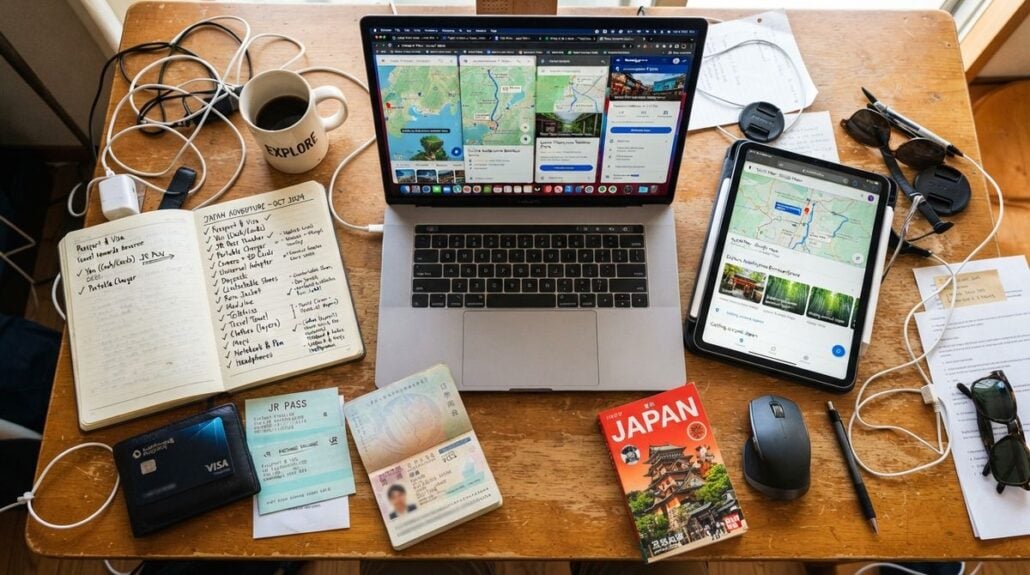
Packing for a trip looks simple until a single item raises questions at the airport, the hotel desk, or a border checkpoint. Some travelers still depend on a handwritten list, while others prefer reminders stored on a phone. Both methods can work well when they fit the way a person actually plans. This article compares the two styles and explains when each one suits a journey, especially for items that come with their own set of rules and habits.
Why a Paper Checklist Still Works
A printed checklist is simple and dependable. It can be tucked inside a suitcase lid, kept in a notebook, or slipped into a folder with tickets and reservations. Nothing needs a charge, a login, or a signal, which matters when airport wifi is slow or the phone battery is running low. Writing each item by hand also encourages a slower review, so gaps that a quick glance would miss become easier to spot.
For any item that carries specific rules, paper can hold the reminders that matter most. Readers may also want to visit bestwirelesssecuritycamera. Write the date you checked each point beside it, so you can tell which notes are still current when you pack. A paper page that shows its own dates is easy to trust at the counter, and it gives a calm reference when a screen is out of reach. Many travelers also keep a copy of the sheet in a folder with their passport and tickets so both stay together.
Where Digital Planning Saves Time
Phone apps can do things that paper cannot. They sync with calendars, send alerts before a departure, and store confirmation emails in one place. If plans shift on the road, a trip note can be updated in seconds and shared with a travel companion. Digital notes also avoid the problem of a single lost page, since a cloud copy can be restored from another device.
The main drawback is dependence on a battery and a connection. Keep an offline copy of anything critical, such as the name of the hotel and the address of the rental desk. Search is another strength, because a long digital note lets you find one detail in a few taps. You can also visit websearchde.com for more reading.
Matching the Method to the Trip
A short weekend trip with few bookings may suit a simple handwritten sheet that fits in a jacket pocket. A longer journey with several stops usually benefits from both formats, with a master list on paper and a digital backup in the phone. For a related read on this site, see Easements and Shared Driveways: Questions Homeowners Should Answer. Start with the method you already trust, then add the other only where it genuinely helps the plan. A simple test is to ask whether the extra tool removes a real step or only adds another screen to check.
Consider how often you will need to look things up during the trip. If the answer is rarely, paper is enough and nothing more is required. If you expect to check details at many stops, a phone note saves effort and reduces stress at busy moments. Travelers who journey with a companion gain extra value from shared digital access, because both people see the same reminders without repeating the same questions.
Building a Hybrid Routine
A hybrid routine suits most people. Start with a printed checklist that covers the core items, then add digital reminders for deadlines and changes. Store copies of travel documents in a secure folder, and keep the paper version in your carry-on bag where it is easy to reach. Review the list two days before departure and again on the morning you leave, since this simple habit catches missing items and any new rule that appeared since your last review. Tick off each entry out loud or in writing so nothing relies on memory alone.
Over time you will learn which style suits each kind of journey. Keep brief notes after every trip so the next plan begins with real experience rather than memory alone. A short review step, repeated each time, is the most dependable way to avoid surprises at the gate or the front desk. It costs very little effort and often saves a great deal of worry. Many travelers find that the ritual itself makes the trip feel calmer, because the plan has already been checked from start to finish before the first bag is zipped.
Whether you choose paper, a phone, or both, the goal stays the same: arrive prepared with clear and current information. The older method offers a calm, offline reference, while newer tools bring reminders and easy updates. Use each where it fits, and let the length and complexity of the trip guide the final choice. Revisit the decision after each journey, because a method that felt heavy on one trip may feel perfectly natural on the next.