
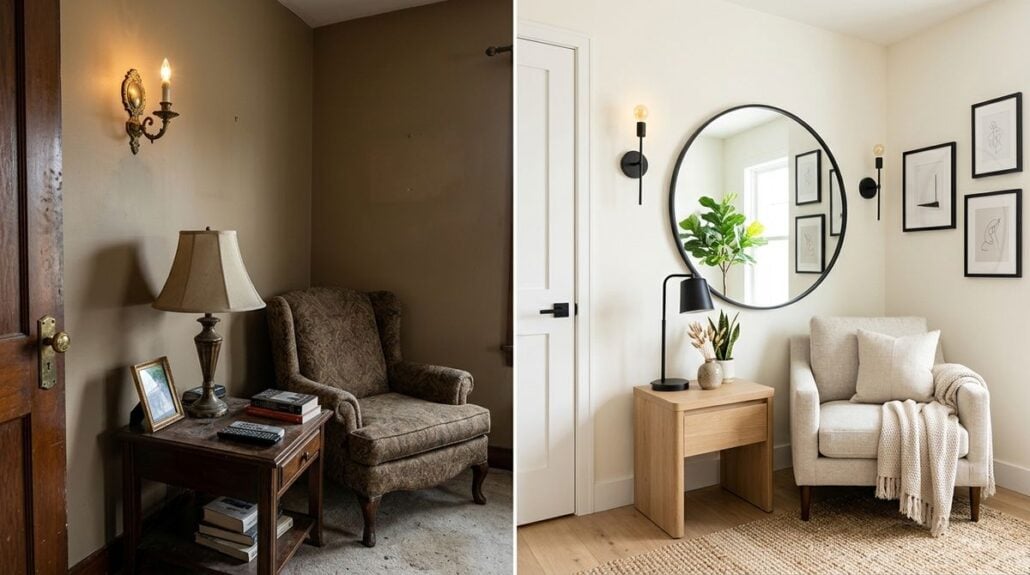
A garment steamer can take the place of an iron in many small homes, especially when space is tight and fabrics need gentle handling. Compact models fit on a shelf beside the laundry basket, and they freshen curtains and jackets without a board to set up. Before buying one, though, it helps to compare how the machine heats, how much water it holds and how it handles the fabrics already in your closet.
Specifications and marketing claims can make every steamer sound similar, but the daily experience varies a great deal. This article covers the features worth checking, the trade-offs between models and the habits that keep a steamer working well over time. The aim is a choice that suits your closet and your corner, rather than a generic recommendation that ignores your routine.
Heating Speed and Steam Output
Heating time decides how quickly you can start. Some models warm up in a short moment, while others take longer, which matters if you only want a few garments refreshed before work. Check whether the steam output is steady or comes in bursts, since bursts can spit water onto delicate fabrics and leave spots behind.
Steam strength also depends on the fabric. Heavy wool, canvas and thick cotton usually need more steam and more patience than silk or synthetic blends. Readers may also want to visit articledirectorynews.com.
Water Tank, Hose and Floor Space
A larger water tank means fewer refills, but it also adds weight and height to the unit. Measure the space where the steamer will live, including the height of the shelf and the reach of the hose. A compact model may be easier to store, while a taller model may suit a wardrobe with a hanging rail.
Look at the hose length and whether it bends easily without kinking. A short hose limits how close the head can reach a hanging garment, while a long one can tangle in a small closet. You can also visit provedorcrescenet.com for more reading.
Attachments and Fabric Protection
Attachments such as brushes, clips and fabric pads change how the steamer handles different items. A brush helps lift lint from wool, while a pad keeps the head from touching delicate fibers. Check which attachments come with the unit and which must be bought separately, since the extras can change the total cost of ownership.
For a related read on this site, see Meal Planning Services: What to Check Before the. Notice also whether the device includes a timer or temperature setting. Some models have simple controls that work well for everyday tasks, while others offer finer options for a mixed closet. Pick the level of control that matches how often you will use the machine.
Safety, Cleaning and Care
Steam is hot and can cause burns, so keep the nozzle pointed away from skin and avoid steaming a garment while it is being worn. Place the unit on a stable surface, unplug it after use and let it cool before emptying the tank. Keep cords away from water and out of reach of children.
Use distilled or filtered water if the manufacturer recommends it, and empty the tank after each session to slow mineral buildup. A monthly cleaning cycle keeps the steam clean and the output steady. Store the unit upright in a dry spot once it has cooled completely, so the hose and seals stay in good shape.
Testing in Your Own Corner
Before the return window closes, run a full test with the garments you wear most often. Steam a wool sweater, a cotton shirt, a curtain panel and a lined jacket. Watch for water spots, fabric shine and whether the steam penetrates the wrinkles evenly without flattening the texture.
Time how long a single shirt takes from start to finish, and note how often you need to refill the tank. These measurements are simple, but they reveal whether the steamer will feel like a relief or a chore during a busy week.
Narrow the choices to models that meet your space, water and fabric needs. Compare the warm-up time, the hose reach and the attachments side by side. A short written list keeps the decision grounded in facts rather than impulse, especially when a shiny feature tempts you.
Check the warranty terms and the availability of replacement parts. A sturdy unit that can be repaired often serves a home better than a cheap one that must be thrown away when a seal fails.
Keeping the Corner Ready
A garment steamer suits a small laundry corner when it fits the space, handles the fabrics in your closet and stays safe in daily use. Testing the machine with your own garments reveals more than any list of features. A thoughtful choice keeps wrinkles in check without crowding the room.