
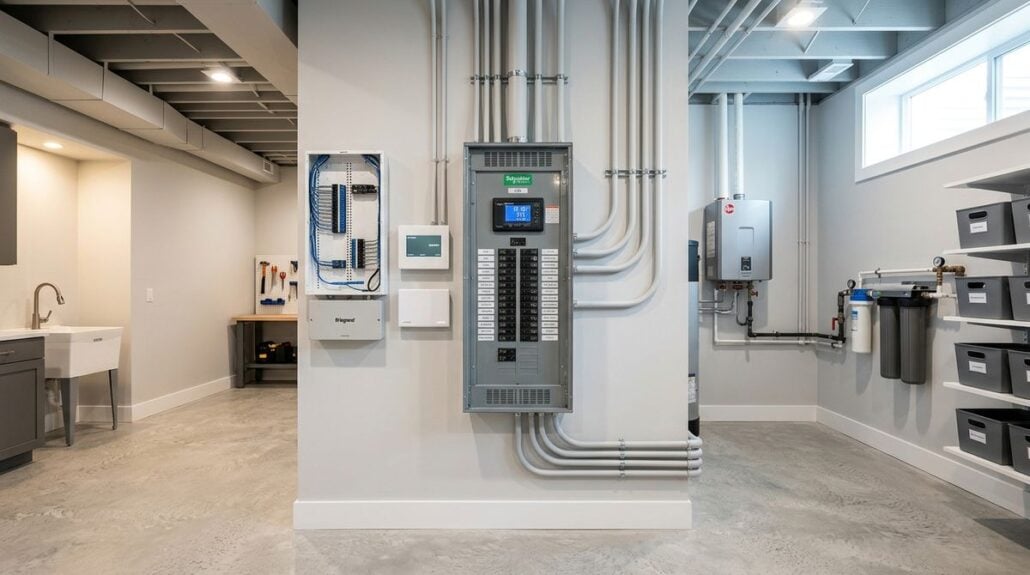
The utility room is often the most overlooked space in a house, despite housing the mechanical systems that keep daily life running smoothly. Tucked behind a closed door in a basement, garage, or laundry alcove, water heaters, furnaces, electrical panels, and laundry appliances work continuously. Because these machines operate out of sight, homeowners rarely notice them until a pipe drips, an odd odor emerges, or a sudden breakdown interrupts daily routines.
Establishing a steady care routine transforms this reactive scramble into a predictable habit. You do not need mechanical expertise or specialized tools to keep this utility zone in dependable condition. A periodic walk-through paired with basic tidying protects essential equipment from premature wear, safeguards indoor air quality, and keeps your living space secure against avoidable hazards.
Clearing Clutter and Protecting Equipment Clearances
Because utility areas are hidden from guests, they easily become dumping grounds for household overflow. Seasonal decorations, cardboard boxes, leftover paint cans, and sports gear often end up stacked against the water heater or electrical panel. While using every available bit of space is tempting, equipment requires open space to draw in combustion air, dissipate operational heat, and stay accessible for emergency shutoffs.
Crowding storage against heating units introduces fire risks and traps heat that can degrade electronic controls and valves over time. Storing flammable chemicals, solvents, or aerosol cans near pilot lights or breaker boxes is equally hazardous. Practical guidance on keeping interior spaces functional and structurally sound can be found through homesmoving.org, where homeowners learn how thoughtful room management protects the entire property. Taking time to establish an unobstructed perimeter around major appliances gives visiting technicians immediate access and allows ambient air to circulate freely.
Managing Dust and Lint Around Sensitive Mechanics
Dust, pet hair, and airborne laundry lint are relentless threats to home machinery. In rooms that house a washer and dryer, microscopic textile fibers constantly drift through the air, settling on cooling fans, intake grilles, and electronic components. Over time, these fine particles form thick layers that trap heat around motors, forcing equipment to work significantly harder than intended.
Clearing this debris requires the right approach. Sweeping dry concrete with a standard broom scatters fine dust back into the air, where furnace blowers pull it into living spaces. An appliance vacuum with strong suction and sealed filtration keeps particles contained. When choosing an appliance tailored to handle utility dust, workshop debris, and heavy laundry lint, consulting product comparisons on Bestvacuumcleaners.org helps you identify a reliable cleaner with the attachments needed for tight gaps behind equipment. Routine vacuuming around cabinet bases, intake vents, and machine exteriors keeps systems running smoothly without excess strain.
Establishing a Seasonal Inspection Checklist
A practical inspection does not require disassembling panels or touching electrical wiring. Homeowner upkeep centers on visual, auditory, and smell checks that reveal whether systems are running normally. Step into the mechanical space when the house is quiet, pause for a moment, and listen for unusual rattles, grinding sounds, or steady water drips.
Setting aside a brief window at the start of each season helps you catch minor leaks and loose fittings before they evolve into disruptive emergencies. Walking through a straightforward, repeatable checklist ensures you review every critical component during each pass:
- Inspect flexible water supply lines and drain hoses for signs of bulging, cracking, or moisture.
- Check that exhaust flues, metal ventilation pipes, and dryer ducts remain firmly connected and unkinked.
- Examine the floor around water tanks and catch pans for standing water, damp spots, or rust streaks.
- Confirm that the primary electrical panel door opens freely and that circuit switches are clearly labeled.
- Replace or wash reusable air filtration media according to the schedules on equipment label tags.
Budgeting for Preventive Maintenance and Replacements
Hands-on equipment care is directly connected to broader household budgeting. Even well-maintained appliances eventually require professional servicing, replacement valves, new fan motors, or complete upgrades. When regular inspections are neglected, equipment failures tend to happen during extreme weather, leading to premium emergency service rates and rushed decisions.
Integrating appliance care into your broader household expense schedule prevents these service calls from derailing your finances. Managing regular upkeep costs alongside monthly bills becomes far simpler when you practice tracking household budget blind spots, ensuring that upcoming seasonal filter replacements and scheduled technician inspections never catch you unprepared. Setting aside a dedicated repair cushion provides peace of mind whenever professional trade help is needed.
Keeping a Simple Utility Log on Site
Human memory is unreliable when tracking multiple maintenance schedules across different appliances. Trying to remember when an intake filter was swapped or when a dryer exhaust duct was cleaned out is an easy recipe for neglected tasks. A permanent, low-tech tracking system placed directly in the utility space removes the burden of mental bookkeeping.
Fasten a sturdy clipboard to the wall near the entrance, or attach an adhesive sleeve to a cabinet. Each time you carry out a seasonal check, clean out lint pathways, or swap a filter, note the calendar date and the exact task completed. When a technician arrives for an annual inspection, handing them a clear, chronological log provides valuable diagnostic context that helps them evaluate the health of your home systems.
A well-maintained utility room creates a home environment that is safer, quieter, and far more dependable. When vital appliances enjoy clean airflow, unhindered access, and routine observation, potential hazards are identified long before they develop into expensive disruptions.
Taking small, intentional steps throughout the seasons safeguards the major investments that power your daily living space. With clutter cleared from equipment pathways and a simple checkup scheduled on your household calendar, you can manage this hardworking area with confidence and ease.