
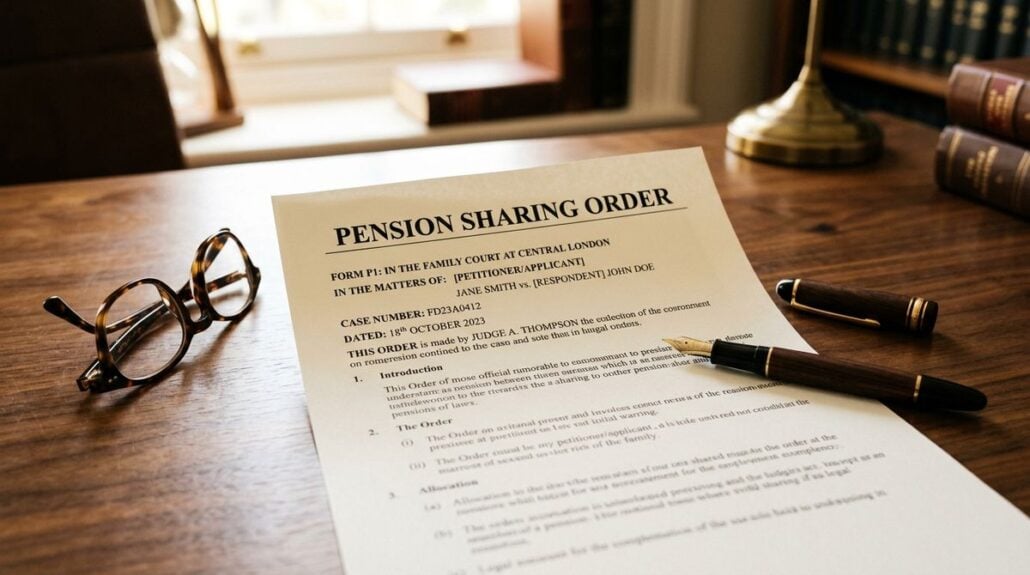
Every household produces a steady stream of paperwork, from lease renewals and utility notices to insurance letters and tax forms. When one person quietly handles all of it, stress builds and important deadlines slip past unnoticed. Splitting the admin work openly helps everyone stay informed and reduces the chance of missed documents. It also prevents the frustrating moment when one person discovers a bill that nobody else knew existed. Shared visibility turns admin into a teamwork habit rather than a hidden burden.
Roommates and couples often share a home without ever discussing who signs, files, pays or keeps copies. That silence can feel harmless until a renewal date passes or a letter goes missing in the pile by the door. A little structure now prevents confusion later. The sections below describe a practical way to organize paperwork, share responsibilities and keep everyone on the same page.
Gathering Every Document Into One Place
Begin by collecting all household paperwork into a single system that both people can use. That can be a labeled binder, a drawer for physical copies or a secured folder on a shared device. Include leases, insurance policies, warranty cards, utility agreements and bank correspondence so nothing lives in a forgotten inbox. Walk through the house once and gather every loose envelope from kitchen counters and bags. Gathering everything at once gives both people a true starting point. Everyone should see the final pile before anything gets filed away.
Once everything is gathered, sort it by category and by expiry or renewal date. Readers may also want to visit Edmentum. A simple index page inside the binder lets either person find a document within seconds. Keep the index updated whenever a new item arrives, since an outdated index quickly loses its value. Label anything that needs to be kept for a long time so it is never thrown away by mistake.
Agreeing on Who Handles What
Paperwork tasks break down into a few predictable jobs, such as opening mail, paying bills and filing receipts. Write those jobs on a sheet and decide who owns each one. You can also visit Story Wheel for more reading. Reading these guides side by side turns an intimidating document into a shared learning exercise. Keep the sheet somewhere visible so it stays part of the routine.
Ownership should match availability and comfort rather than habit. The person who enjoys detail may review contracts, while the person who handles phone calls may contact service providers. Some pairs trade roles every few months so that both people understand every part of the system. Revisit the split whenever schedules change, since a fair arrangement this season may not suit the next one. A brief monthly sit-down makes these adjustments feel routine instead of confrontational.
Reading Lease and Contract Terms Together
For a related read on this site, see Vaping Rules on Group Trips, Kept Fair for. Read agreements side by side rather than leaving one person to interpret them alone. Two sets of eyes often catch a clause that one reader would skip. Note deadlines for notices, renewal windows and fee schedules, and place reminders on a shared calendar so nothing arrives as a surprise.
General information is not the same as advice for a specific situation, so raise unusual clauses with a qualified professional. Keep signed copies of everything, including messages that confirm changes. Save emails that mention price increases, repairs or access arrangements in the same folder. Clear records protect both people if a question arises later, and they make the next renewal far less stressful.
Sharing Access and Emergency Information
Both people should know where the important documents live and how to reach the right service providers in an urgent situation. Store passwords in a dedicated manager that both can open, and keep a printed emergency sheet with key contact numbers in an accessible spot. Make sure each person can reach these items without asking the other for help. A quick test run once in a while reveals gaps before a real emergency does. Practicing the routine now saves stress when it matters most. Write the steps as a numbered list so either person can follow them calmly.
Access should respect privacy as well. Decide which records each person needs to see, and avoid sharing sensitive identification numbers beyond what is necessary. Some households keep a separate folder for personal correspondence that remains private to its owner. A little openness combined with sensible limits keeps a household trustworthy and organized.
Making the System Last
A paperwork system works only when both people keep using it. Set a short monthly review, retire outdated documents and update the index after every change. Archive finished tax files in a clearly labeled section so they are easy to find later. Over time the routine becomes almost automatic, and the home feels calmer for everyone who lives in it. Celebrate small wins, such as a cleared inbox, because they reinforce good habits. Shared pride in an orderly home keeps the system alive.