
A home full of learning materials can look impressive and still leave a family short of space, time and patience. Workbooks, craft supplies and educational toys often sit unused after a short burst of enthusiasm. A reuse system keeps the best materials in circulation and keeps clutter out of the way. The ideas below suit parents, grandparents and caregivers who teach at home or support school work. They are general habits that work for any household, regardless of budget or space.
Keep a rotating shelf of learning materials
Store only part of the collection on open shelves and keep the rest in labeled boxes. Each month, swap a few items from the boxes into the active shelf so the collection stays fresh. Readers may also want to visit idreamhomez.com. Rotation keeps children curious and prevents the feeling that everything has already been tried. Put a note on each box listing its contents so swaps take seconds.
Keep a short wish list of topics the children are exploring. When the next swap comes around, the right materials are easy to find.
Keep the first swap small, perhaps a few titles per family, so the process feels easy. Let each child suggest one book to add to the pile. Return the books within an agreed window so the cycle keeps moving. Expanding the swap later is simple once everyone understands the rules.
Use dry erase sleeves instead of printing
Plastic sleeves and a dry erase marker turn one worksheet into dozens of practice sessions. You can also visit garrettiron.com for more reading. Print a single master copy of each activity, slide it into a sleeve and wipe it clean after use. Children can practice reading, counting and drawing without paper piling up. Keep a tissue and a small eraser nearby so the sheets stay clear.
A laminated sheet of letters or numbers works the same way and lasts through several children.
Swapped books can also serve as shared reading for siblings. Choose one title that suits the youngest and oldest reader together. Read it aloud on a quiet evening so everyone shares the same story. Shared books often lead to conversations that last long after the last page.
Swap books with other families
Children read the same books again and again, then lose interest. For a related read on this site, see Donating Clothes Without Regret: One Family’s Sort. A small swap with neighbors or friends gives every child new stories without buying more. Set a simple rule that each book must be in good condition, and keep a list of what has been shared. Libraries and community centers sometimes host exchange shelves for families too.
Children enjoy choosing books for one another, which builds generosity and curiosity at the same time. A swapped book often becomes a new favorite.
Keep a small label maker or stick-on tags near the jars. Fresh labels make it easy to return items to the right place after a session. Replace faded labels as soon as they become hard to read. Clear labels keep the whole collection in good order.
Store crafts in labeled jars
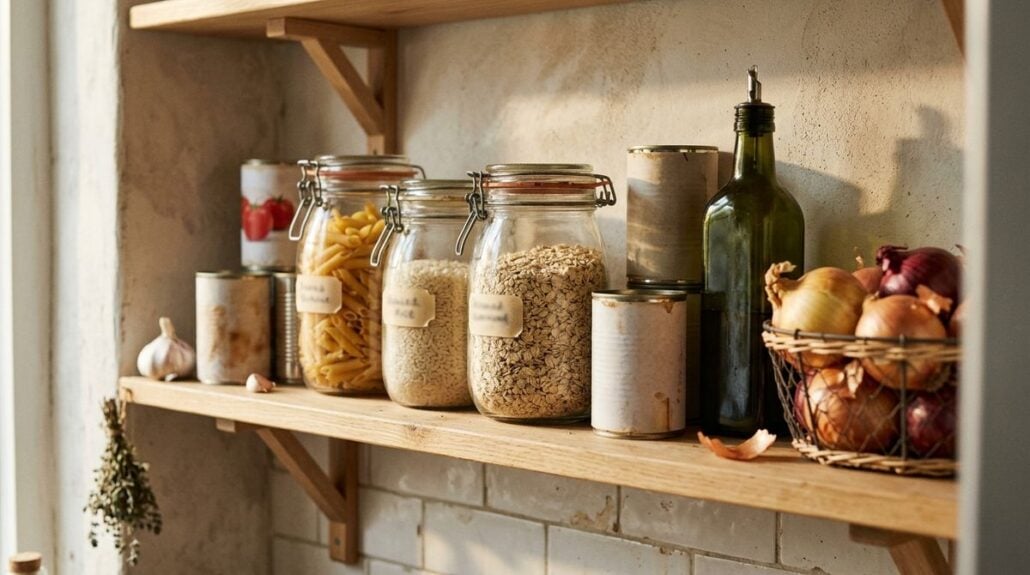
Craft supplies scatter quickly when they are kept in loose piles. Clear jars with lids keep beads, buttons and paper scraps sorted and visible. Label each jar with its contents and add a few sample items to the label so children know what belongs inside. Reusing jars from food also works well, as long as they are washed and dried thoroughly. Tidy storage makes activities start faster and end with fewer missing pieces.
Set a short cleanup routine at the end of each session, so the next project starts smoothly and nothing is lost between visits.
Shelves work best when they are easy to reach. Place the rotating items at child height, and keep heavier materials on lower shelves. A small basket near the reading corner keeps books and tools together. Clear sightlines make it obvious what is available and what needs a tidy-up. Children can help decide where things go, which builds ownership of the space. Re-check the layout each season.
Choose open-ended toys that adapt
Open-ended toys such as blocks, modeling clay and simple building sets grow with a child’s skills. They can serve several ages, and siblings can share them without much argument. Look for sturdy items that can be repaired or extended with new parts. A small collection of versatile toys often beats a large cupboard of single-purpose gadgets. Keep the best pieces in use by rotating them through the shelf, and store spare parts in a labeled tub.
Versatile toys reward patient care and often last through several childhoods, which makes them a sound choice for any home.
Learning materials also benefit from a simple audit each year. Check which items are worn, incomplete or no longer relevant. Remove the broken pieces and set aside the ones that still work well. A short audit keeps the shelves useful without requiring a full clear-out.
Learning materials that keep serving
Rotation, reusable sleeves, shared books, labeled jars and adaptable toys keep the home well stocked without clutter. Each habit makes learning easier to start and cheaper to continue over time. Choose one shelf this week and build the routine from there.