
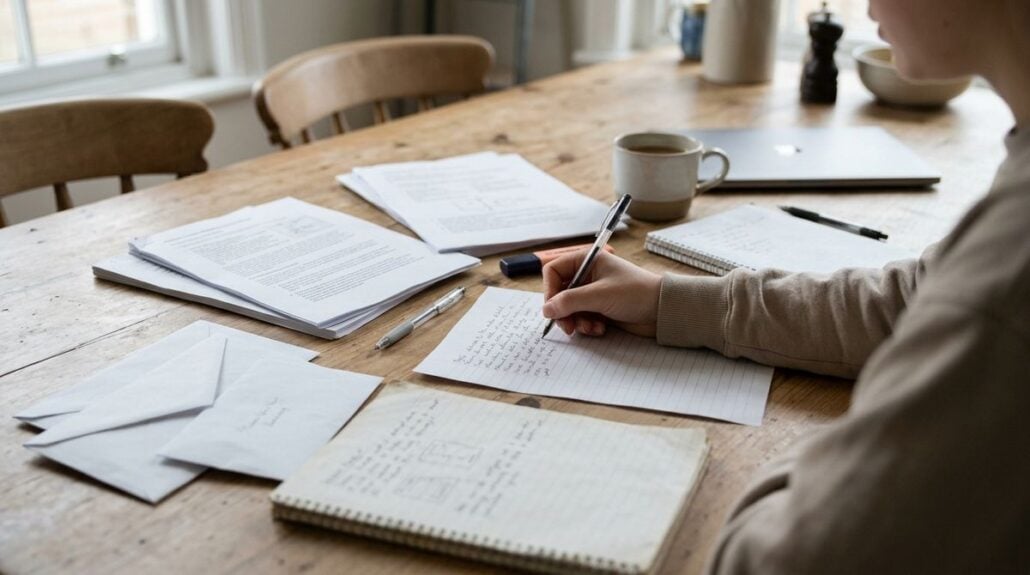
Priya had rented the same small apartment for several seasons without any trouble at all. When she moved out, a deduction appeared on the final statement that she did not recognize, and the tone of the message from the building manager suddenly felt cold. She had kept a rough folder of receipts and a few photos, but nothing organized. This article follows her experience and the simple habits that helped her make a calm, documented case.
It is written for renters who want to understand the everyday steps of a dispute before one starts. The lessons apply to many housing situations, whether the home is a flat, a shared house or a room in someone else’s place. Nothing here is legal advice, and every area has its own rules. The goal is to show how a clear paper trail makes the next conversation easier for everyone involved.
Reading the Lease Before Signing
Priya had skimmed her original lease quickly, mostly looking at the rent amount and the move in date. She later discovered that the document explained exactly how deposits were handled, how repairs were requested and how long the landlord had to respond. Those clauses were not hidden, but they were not the parts anyone reads for pleasure. A slower review at the start would have given her a clear map for the end.
Readers may also want to visit Build Green Atlantic. She used them to understand words like inspection, normal wear and notice period. Her new habit is to keep a copy of the signed lease, the rent schedule and any addenda in one place. Reading the document twice, once before paying and once after, has become a firm rule.
Photographing the Unit on Day One
Priya’s strongest evidence would have come from a set of photographs taken on the first day, before any furniture arrived. Most landlords provide a move in checklist, and filling it out with notes and images takes far less time than it seems. You can also visit lonestarborger.com for more reading. Those images then serve as a baseline for comparison later.
She now photographs the kitchen, bathroom, floors and windows whenever she starts a new rental. Each image gets a short caption that describes the condition in plain words. Keeping the files in a shared folder means a copy exists even if a phone is lost. The habit takes less than an hour, and it can save weeks of arguing later.
Writing Messages Instead of Making Calls
Phone calls feel faster, but they leave very little behind when a disagreement develops. Priya chose to send short written messages that summarized each request and the date she sent it. A typical message described the problem, mentioned the deduction and asked for an itemized explanation in writing. Replies in writing became a useful record for both sides.
For a related read on this site, see A Kitchen Table Becomes a Homework Station. She included the lease section, the photographs she had taken and the response she needed by a clear deadline. Calm wording mattered too, because a measured tone tends to get a more useful answer than an angry one. The written thread turned a confusing argument into a list of questions that could be answered one at a time.
Knowing When Professional Help Makes Sense
Some disputes stay small and resolve with a single clear message, while others grow complicated. Priya decided that a short consultation with a licensed attorney in her area was worth the cost once the deduction exceeded what she could easily sort out herself. She brought her folder, the written thread and a list of questions. The meeting clarified which options were realistic and which were not worth the effort.
Local tenant organizations and housing offices can also explain the process and point to the right forms. Asking for help early is not a sign of defeat, because the goal is a fair outcome rather than a dramatic fight. Priya found that each conversation became easier once she knew which door to knock on next. Preparation made every step shorter.
Keeping Every Record in One Folder
Priya’s final habit was the simplest one. She created a single folder for each rental, with subfolders for the lease, payments, repairs, photographs and correspondence. Every new document went into the right place the same day it arrived. When she needed a specific email from months earlier, she found it in less than a minute.
This system also protects renters who share a home with others. Everyone can see the same record, and nobody has to rely on memory when a question arises. Keeping copies of final statements and move out notices completes the picture. The folder may look dull, but it is the foundation for every fair conversation that follows.
The Paper Trail Wins
The dispute ended with a partial refund and a short explanation that Priya could read and understand. She felt relieved, though she also felt a little embarrassed that she had not organized things sooner. Good records do not guarantee a perfect result, yet they make fair outcomes far more likely for everyone involved.