
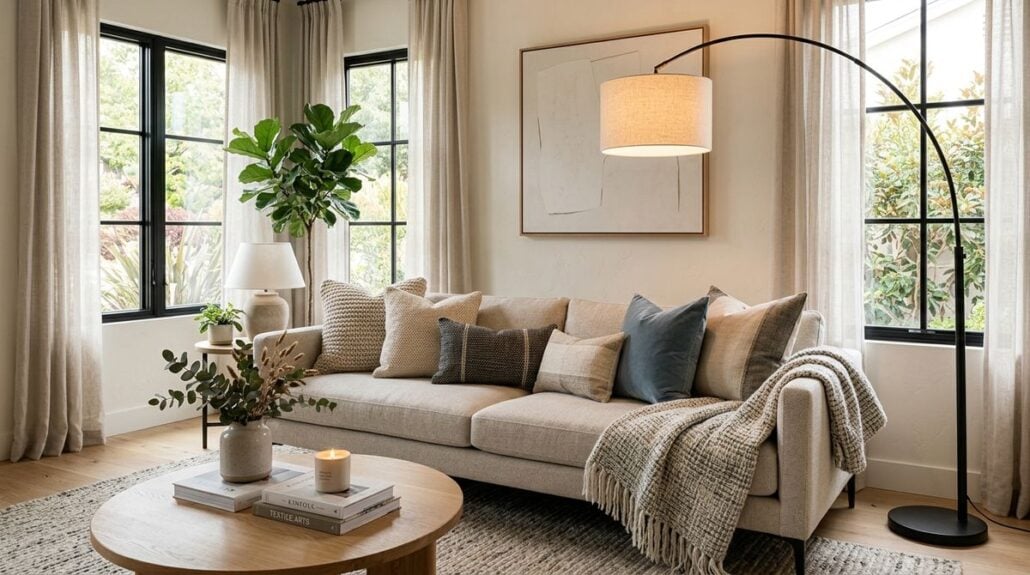
A bright room filled with natural daylight is often the most inviting part of a home. Sunlight lifts the mood, illuminates decor, and connects indoor life with the outdoors. Yet rooms that receive direct sun can quickly swing from warm and cheerful to uncomfortably hot, overly bright, or cluttered with faded furnishings. When a space fluctuates between being sunny and glaringly harsh, households tend to abandon it during the brightest hours.
Transforming a sunlit area into a reliable retreat requires intentional planning rather than temporary fixes. By managing illumination levels, selecting durable materials, and arranging furniture to prevent glare, you can enjoy daylight without sacrificing comfort. A few sensible routines and physical adjustments can turn an unpredictable sunroom or windowed alcove into a versatile hub for relaxing, conversation, and quiet work.
Assessing Natural Exposure Across Morning and Afternoon Hours
Every room responds differently to the sun depending on which direction its windows face. Morning light from eastern windows provides gentle warmth that starts the day on a calm note. By afternoon, western and southern exposures often deliver intense rays that heat up interior surfaces and wash out vision. Paying attention to how light moves across your floors and walls is the first step toward creating balance.
Take note of where the sun casts harsh shadows or creates intense hot zones. A reading chair placed directly under an unshaded southern window might feel delightful in the morning but become intolerable by midday. When reconfiguring floor plans to resolve uneven warmth or tricky layouts, reading through practical household advice at specialedoptions.com can give you valuable ideas for improving living spaces that feel difficult to settle into. Observing your room at distinct times of day helps you map where people can comfortably sit.
Air movement plays an equally critical role in balancing bright rooms. When sunlight enters through large panes of glass, heat tends to linger near ceilings and behind closed draperies. Opening an interior door to encourage cross-ventilation or placing a quiet floor fan to keep air circulating prevents pockets of stagnant heat, allowing the room to remain fresh throughout the afternoon.
Balancing Window Coverings for Glare and Thermal Control
Bare windows maximize outdoor views, but they offer little defense against blinding glare and fading fabric colors. The secret to managing sunlight without plunging the room into darkness is adopting a layered approach to window treatments. Rather than relying on a single heavy curtain that blocks outside sightlines, combine semi-sheer shades with adjustable outer panels.
Light-filtering roller shades or woven wood blinds disperse harsh beams into a soft, diffused glow. This diffusion protects artwork, wood finishes, and upholstery from UV exposure while still filling the room with daylight. Heavy canvas or linen side drapes can be pulled shut during peak heat to buffer the glass. By adjusting these layers, you maintain views without suffering from excessive brightness.
For tall or hard-to-reach transom windows, static cling film that filters light provides a clean, hardware-free solution. These films soften the sharpest rays without requiring rods or strings. Simple window maintenance, such as checking weatherstripping along sills and keeping sliding tracks clean, also ensures that outdoor heat does not counteract your indoor comfort efforts.
Arranging Seating and Surfaces to Prevent Eye Strain
Furniture layout determines whether a sunlit space feels functional or frustrating. The most common mistake in sunny living areas is placing digital screens, laptops, or desks directly opposite a broad bank of windows. Direct backlighting causes severe contrast that forces the eyes to work harder, leading to rapid eye strain and fatigue.
Instead of facing windows head-on or having your back turned squarely toward them, position work desks and armchairs perpendicular to the glass. This orientation lets daylight spill gently across your work surface from the side, illuminating books and papers without bouncing off screens. Similar layout considerations are essential when setting up a productive daytime study spot, where steady ambient light helps family members focus on tasks without squinting.
Surface textures also impact how light behaves in a room. High-gloss tabletops, glass desks, and polished metal accessories reflect direct beams like mirrors, magnifying glare across the entire room. Choosing matte wood finishes, honed stone, or placing textured linen runners across shiny tables softens reflection points. These subtle choices keep the space feeling relaxed and gentle on the eyes.
Introducing Greenery and Breathable Textiles for Softness
Abundant sunshine creates an ideal environment for indoor plants, which naturally soften hard edges and balance humidity. Varieties such as fiddle-leaf figs, snake plants, and pothos thrive in bright ambient light while helping clean indoor air. Positioning larger potted plants near window corners breaks up harsh geometric light lines, casting soft shadows that bring organic life into the room.
Textiles require careful consideration in sun-drenched quarters. Synthetic fabrics can trap heat against the skin, while delicate silks deteriorate quickly when exposed to direct daylight. Breathable cotton slips, washed linen throws, and woven wool cushions offer durable comfort and stay cool to the touch. Exploring creative styling concepts on hellotalja.com can inspire you to introduce thoughtful decorative accents and durable textures that make every corner of your home feel intentional, cohesive, and beautiful.
Area rugs made from natural fibers like jute, sisal, or flat-woven wool provide grounding without absorbing excess solar heat. These floor coverings define conversational clusters and protect flooring finishes from uneven fading. Rotating rugs and loose cushions once a month ensures that sun exposure remains even, preventing distinct fade marks from forming over time.
Simple Daily Checkpoints for Bright Spaces
Maintaining a comfortable sunlit room does not require complex automation. A simple, consistent routine carried out at key moments keeps the environment pleasant without demanding ongoing effort.
- Raise main shades early in the morning to welcome ambient illumination and fresh air.
- Lower diffusion filters or tilt blinds before midday to soften direct glare on surfaces.
- Draw heavier side drapes during late afternoon to block intense angled heat.
- Open adjacent interior doors in the evening to release trapped warmth into cooler rooms.
- Wipe window sills and rotate indoor plants weekly to ensure balanced growth and clean frames.
Establishing these small habits ensures that your living space adapts smoothly to changing weather and shifting seasons. Rather than constantly reacting to uncomfortable heat or sudden glare, you stay ahead of daily changes with minimal effort.
A well-managed, sunlit room quickly becomes the natural gathering point of a home. When you take the time to soften harsh glare, encourage airflow, and select resilient materials, daylight becomes an asset rather than a distraction. With thoughtful adjustments to your furniture and a reliable daily rhythm, your sunny spaces can provide welcoming comfort and effortless utility throughout every season.