
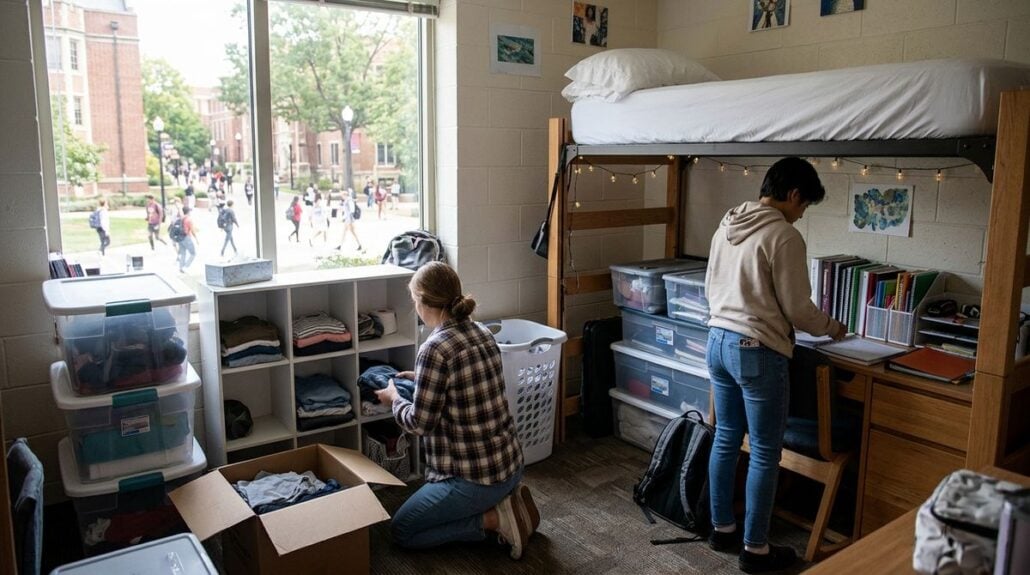
Accepting a new job offer in another city brings genuine excitement, but it also transforms daily domestic life. A household is far more than a physical space where furniture sits; it represents established routines, trusted local services, familiar commute routes, and the comfort of known surroundings. When career opportunities lead you toward an unfamiliar neighborhood, the personal adjustments often prove just as demanding as the professional duties waiting on your first day.
Balancing work transitions alongside the physical realities of moving requires patience, clear organization, and honest family communication. Rushing through packing or treating domestic comfort as an afterthought can quickly generate unnecessary tension. By breaking the relocation process down into sensible, manageable stages, you can safeguard your family well-being, keep daily stress low, and build a sturdy foundation in your new home from the very beginning.
Evaluating the Local Market and Community Rhythm
Before packing a single storage container, take time to understand the wider economic and community environment of your new destination. Regional employment climates influence housing availability, municipal infrastructure, and neighborhood development. Exploring broader financial shifts and business reporting across reputable sites like businessnewsinc.com can help you stay informed about commercial investments, industrial growth, and corporate expansions affecting different regions. Understanding these macro trends gives you clear insight into whether a community is expanding services, attracting fresh commerce, or experiencing shifts in infrastructure funding.
Beyond high-level economic patterns, everyday neighborhood rhythm shapes your quality of life. Visit prospective neighborhoods during different hours of the day to observe street traffic, lighting, and pedestrian activity. Drive your planned commute routes during peak morning hours to evaluate real travel times rather than relying strictly on digital map estimates. Notice whether grocery stores, public parks, and emergency medical facilities are easily reachable, as convenient access to daily necessities softens the shock of settling into unfamiliar territory.
Aligning Professional Goals With Everyday Living
Relocating for a career move rarely affects only one schedule. When one household member accepts an offer, partners may need to seek new employment, or family members may need to restructure daily commitments. Sifting through regional job openings, tailoring resumes for local employers, and adjusting to regional hiring customs takes intentional effort. Consulting specialized career blogs such as Jobs In Macon GA can offer practical perspectives on navigating local workplace cultures, sharpening interview techniques, and pursuing rewarding positions in growing metropolitan areas. These resources help job seekers understand how to present their skills effectively when entering an unfamiliar employment market.
Equally important is defining healthy boundaries between new workplace duties and home life. Starting an unfamiliar role tempts many people to work long evening hours to prove their dedication immediately. However, your home requires attention during the initial weeks of arrival. Setting predictable hours for family meals, unpacking tasks, and quiet rest ensures that everyone in the household feels supported. When work demands and household obligations are balanced with intentional care, you avoid early burnout and preserve domestic peace.
Organizing Your Household Timeline and Moving Logistics
A smooth household relocation relies on steady preparation rather than last-minute rushes. Attempting to sort every drawer and closet in a single weekend leads to mental exhaustion and mislabeled boxes. Instead, begin decluttering several weeks in advance, addressing one room at a time. Start with infrequently used storage areas such as attics, guest closets, and tool sheds. Discarding broken items, donating duplicate kitchenware, and paring down wardrobes reduces the physical volume you must transport, saving considerable labor on moving day.
- Set aside vital personal records, legal paperwork, and medical documents in a portable, secure travel folder.
- Survey every room systematically to divide possessions into clear categories for packing, donating, or recycling.
- Arrange the transfer, cancellation, and startup dates for essential household utilities several weeks before departure.
- Pack an accessible overnight bag with fresh clothing, personal toiletries, basic cookware, and essential device chargers.
Labeling your packed boxes with both the destination room and a brief summary of contents simplifies moving day considerably. Rather than marking a carton simply as miscellaneous, indicate whether it contains primary kitchen utensils or decorative bookends. This level of clarity allows helpers or professional movers to place boxes directly into the proper rooms, sparing you the frustrating chore of carrying heavy crates across the house when your energy is already depleted.
Managing Housing Transitions and Rental Arrangements
Many families choose to rent an apartment, townhome, or house before deciding to purchase permanent real estate in a new community. Short-term or intermediate leasing allows you to experience distinct neighborhoods without committing immediately to long-term ownership. However, leasing agreements carry specific obligations regarding maintenance, security deposits, parking allowances, and pet policies. It is essential to read every clause carefully and request written clarification on any ambiguous terms before affixing your signature to the paperwork.
This level of scrutiny is particularly valuable if family members are moving into separate arrangements. For example, if young adults in your family are stepping into their first independent apartments near your new location, reviewing our helpful walkthrough on lease clauses your adult children will sign can assist them in recognizing standard tenant duties, utility obligations, and sublease restrictions. Equipping household members with clear, straightforward knowledge helps prevent frustrating disputes with property managers and protects security deposits when moving out.
Keep all housing documents, landlord correspondence, and photographic records of the rental condition gathered in one dedicated binder or digital folder. Walking through a property on your move-in date and documenting preexisting wear ensures that you are not held accountable for prior scuffs or damages later. Clear documentation establishes mutual trust between tenants and property owners from the very first day of occupancy.
Establishing New Household Routines After Arrival
Once boxes are unloaded and keys are in hand, prioritize setting up spaces that support basic comfort and recovery. Making the beds, hanging shower curtains, and organizing a functional corner of the kitchen should take precedence over hanging wall art or sorting bookshelves. Being able to take a warm shower, sleep on clean linens, and prepare a simple morning meal transforms an intimidating sea of cardboard boxes into a restful, welcoming sanctuary.
Gradually reintroduce familiar family rhythms to help children, adults, and pets adapt to the fresh environment. Simple traditions, such as a weekend breakfast routine, an evening walk around the block, or regular family game nights, anchor everyone amid unfamiliar surroundings. Familiar routines communicate safety and stability, reminding the household that while the geographical address has changed, the warmth, care, and identity of the home remain intact.
Relocating for professional advancement is a major milestone that opens exciting possibilities for your future. While the logistics of packing, coordinating leases, and settling into new neighborhoods can feel demanding, approaching each stage with structured planning makes the transition rewarding. By taking deliberate steps to organize your home, protect your personal well-being, and respect family routines, you can turn a career relocation into a comfortable, confident fresh start.