
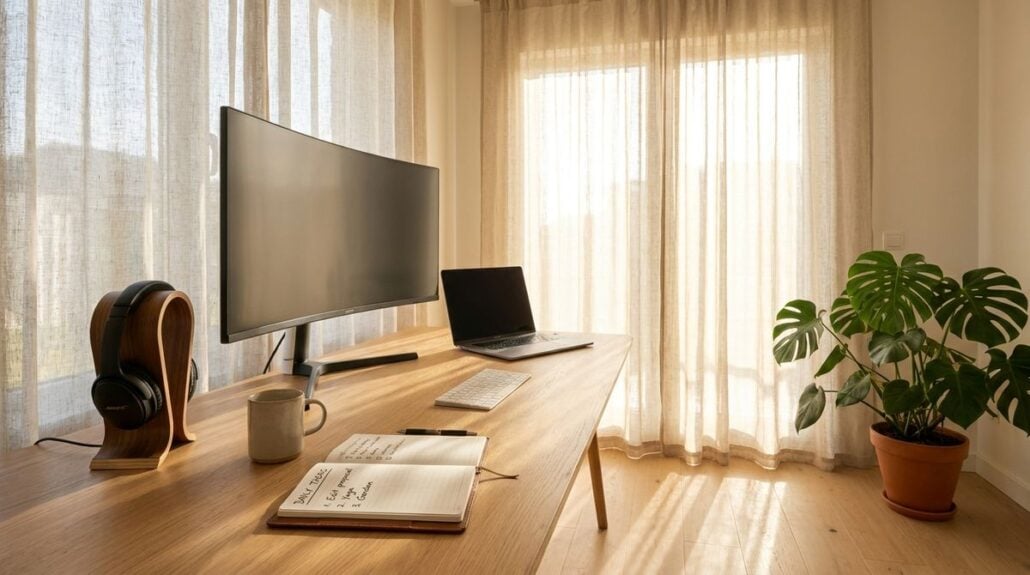
Transforming a residential room into an operational workstation requires more than placing a desk against a spare wall. When you operate a venture from home, the boundaries between everyday domestic routines and professional obligations quickly become blurred. Creating a dedicated area allows you to handle administrative tasks, interact with clients, and store essential materials without disrupting your family household. A properly organized space sets the stage for productive mornings and calm evenings.
A functional home office balances personal comfort with operational utility. By addressing practical considerations such as ambient lighting, power distribution, and daily routines early on, you create an environment that supports consistent focus while respecting your wider living space. Taking a structured approach helps you build a workspace that remains orderly, comfortable, and adaptable as your operational needs evolve over time.
Evaluating Dedicated Space and Natural Daylight
Selecting the right room within the house is the foundation of an effective setup. High-traffic areas near kitchens or main entryways can expose you to constant background noise, making sustained concentration difficult throughout the afternoon. A spare bedroom, a finished corner of a basement, or even an enclosed sunroom often provides the acoustic separation needed for telephone calls and quiet planning sessions.
Natural lighting plays a substantial role in daytime comfort and overall household utility demands. Positioning your primary work surface perpendicular to exterior windows prevents harsh glare on computer screens while illuminating your papers with diffused sunlight. This arrangement reduces the need to run overhead ceiling fixtures throughout the day, keeping your ambient lighting pleasant and reducing heat buildup inside smaller rooms.
Air circulation deserves equal attention when preparing an enclosed space for extended daily occupancy. Closed doors can lead to stale air and temperature spikes, especially when monitors and desktop computers generate continuous warmth during busy hours. Placing a quiet oscillating fan near a doorway or keeping window vents clear maintains fresh airflow without creating disruptive drafts across your desk.
Managing Everyday Power Needs and Office Equipment
Modern home enterprises rely heavily on electronic devices, from desktop screens and backup drives to charging docks and printers. Running multiple machines in a residential room can quickly overwhelm a single wall outlet if cables are haphazardly connected through loose extension cords. Planning your power layout prevents tripped breakers, minimizes fire risks, and keeps dangerous cord clusters off the floor.
An efficient workstation requires a clean electrical arrangement that protects equipment and minimizes idle consumption. Consider the following basic habits when configuring your desk power station:
- Position a heavy-duty surge protector off the walking path to protect sensitive electronics.
- Use individual master switches to shut down auxiliary peripherals at the end of the day.
- Route cables along furniture legs using reusable hook-and-loop straps rather than plastic tape.
- Maintain adequate ventilation clearance behind central processing units and display screens to prevent thermal throttling.
Phantom energy drain occurs when equipment draws power continuously even while placed in sleep mode. Printers, external speakers, and secondary monitors often consume steady electricity overnight without providing any immediate benefit. Grouping these secondary accessories onto a switched power bar allows you to cut power completely with a single switch before stepping away for the evening, conserving power and prolonging the operating life of your hardware.
Establishing Repeatable Daily Habits for Growth
A well-appointed physical room only succeeds if paired with consistent working habits. The flexibility of working from home can easily lead to irregular working hours, where personal chores intrude upon professional tasks or client demands spill into family evenings. Setting defined working windows preserves your focus during the day, establishes expectations with family members, and safeguards your domestic peace at night.
Finding dependable guidance on professional development can help home operators maintain momentum during challenging weeks. Reading practical perspectives on Nurturingyoursuccessblog.com provides sensible ideas for structuring daily goals, refining client communication, and building sustainable work routines without exhausting your personal reserves.
Structuring your schedule around regular breaks also protects your physical stamina and visual comfort. Stepping away from the desk to stretch, drink water, and walk around the yard prevents postural strain and mental fatigue. Returning to your desk with clear priorities ensures that administrative duties do not consume the hours intended for client deliverables, invoicing, or project execution.
Sourcing Regional Suppliers and Trade Support
Running an enterprise from a residential address often requires occasional help from external specialists. Whether you need an electrician to add a dedicated circuit for heavy workshop tools, a courier service for urgent physical shipments, or a local cabinetmaker for custom storage, establishing connections with reliable service providers strengthens your operational backbone.
When you need qualified assistance for repairs, electrical adjustments, or professional services, consulting a regional directory saves valuable research time. Browsing through tampabaybusinesslist.com makes it straightforward to discover regional vendors, licensed contractors, and independent service providers who understand local commercial standards. Working with established local firms ensures projects are completed safely and according to municipal building codes.
Partnering with nearby vendors also reduces logistical delays and shipping overhead. Sourcing packing supplies, paper products, and replacement components from neighborhood merchants keeps money circulating within your community while providing a reliable fallback when delivery networks experience regional delays. Maintaining a small rolodex of trusted local trade contacts ensures minor facility problems never halt your workday unexpectedly.
Keeping Physical Records and Supplies in Order
Clutter in a home office accumulates quietly until surfaces become unusable and stressful to manage. Invoices, shipping receipts, product samples, and tax forms tend to settle on the edges of desks, creating visual noise and increasing the risk of misplaced documentation. Implementing a physical filing structure keeps paperwork under control from your very first week, protecting vital records from accidental loss or household spills.
Maintaining order among physical receipts, vendor invoices, and equipment warranties prevents small administrative chores from piling up into an overwhelming backlog. If your workspace currently struggles with loose papers, reviewing our guide on organizing paperwork from your drawer offers a straightforward method for sorting documents into accessible categories before they clutter your main workspace.
Dedicate a brief window at the close of each week to file loose forms, return tools to their designated bins, and wipe down common work surfaces. Ending the week with an orderly desk allows you to step away completely over the weekend and begin Monday morning without confronting unfinished cleaning chores.
Building a successful home-based enterprise requires deliberate choices about your physical environment and daily discipline. By arranging your room to maximize daylight, managing power responsibly, organizing your records, and connecting with dependable local support, you establish a workplace that supports steady progress. Simple adjustments made consistently turn a modest residential space into an efficient, professional base of operations that serves both your commercial aspirations and your home lifestyle.