
Food waste at home often starts with a crowded refrigerator and a pantry nobody has organized in months. Families buy with good intentions, then forget about the lettuce hiding behind the milk. Small changes to storage and planning can turn that pattern around without much effort or expense.
This article looks at what has changed in home food storage, from clear containers to smart planning tools, and which older habits still deliver the best results. The tips are general and meant for everyday kitchens rather than any particular brand of appliance or storage system.
Clear Containers Changed the Fridge
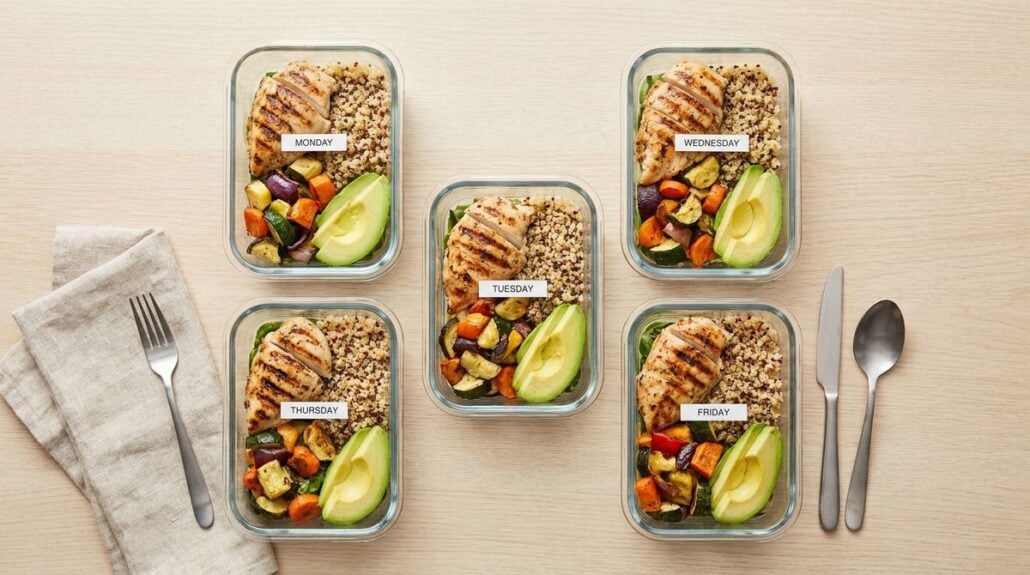
Clear containers and labeled bins have made it easier to see what needs eating first. Many households now store cut produce in transparent boxes with a date written on the lid. The visual cue reduces the chance that a forgotten item goes slimy in the back corner of a shelf.
Arrange the refrigerator by zone. Place ready-to-eat foods on the top shelf, raw meat on the bottom and produce in the crisper drawers. Keep leftovers at eye level so they get used. Readers may also want to visit High99.biz.
Transparent containers also make it easier to share leftovers with a partner or roommate. A quick glance tells everyone what is available and what needs eating soon. Agree on a simple rule about who finishes what, and the system will run more smoothly for everyone involved.
A clear bin near the front of the shelf can hold items that need eating first.
The Old Rule of First In, First Out
Restaurants have long used a first in, first out rotation, and the principle works just as well at home. When you unpack groceries, move older items to the front and place new purchases behind them. The habit takes seconds and prevents many expired surprises.
Try a simple shelf system with a clear front edge for items that need using soon. Keep a small basket for open packages, and check it before planning the week’s meals. You can also visit thisisukbusiness.com for more reading. Paper meal plans still beat most apps for many cooks, especially when the list hangs on the cupboard door.
Some households keep a weekly reset slot, perhaps on the same evening each week. During the reset, check every shelf, wipe sticky spots and move older items forward. A predictable routine is easier to keep than an occasional deep clean that never quite happens.
Planning Meals Before Shopping
A weekly plan reduces impulse buying and clarifies what is already in the house. Check the refrigerator and cupboards first, then build a short list around the gaps. Plan two or three flexible dinners that can absorb leftovers from earlier in the week.
Stretch ingredients across several meals. A roast chicken can become sandwiches, soup and a quick stir fry. Keep a few freezer staples on hand, such as bread, grated cheese and chopped herbs, so nothing gets abandoned halfway through its life. For a related read on this site, see Neighbor Shared Driveways: What to Write Down Before.
Leftover nights can become a regular tradition rather than an afterthought. Pick one evening a week where the menu is built entirely from what is already in the house. Children often enjoy designing these mixed plates, and the habit encourages creativity without extra shopping.
Shop with a list and a rough sense of how many meals the house needs before the weekend.
Compost, Freeze and Share
Scraps that cannot be eaten still have uses. Vegetable peelings can go into stock, and stale bread can become crumbs for a crisp topping. Compost bins, where available, turn leftovers into garden soil instead of landfill waste.
Freezing is one of the most reliable tools for extending life. Portion cooked meals into labeled containers, and freeze fresh herbs in oil or stock. Sharing extra produce with neighbors keeps food moving and builds goodwill across the street.
Herb stems and citrus peels can be simmered into a fragrant infusion for cleaning or cooking. Stale crackers can be crushed for breading. Small reuse habits add up to a noticeable drop in the bin.
Labels, Dates and Common Sense
Dates on packaging are often misunderstood, and many households throw away food that is still perfectly good. Learn the difference between a best-by note and a safety deadline, and use your senses alongside the label. Smell, texture and appearance can reveal far more than a printed phrase does.
Keep a marker and a roll of tape near the refrigerator so opened items can be dated at a glance. Store cooked food in shallow containers so it cools quickly and stays fresh longer. When in doubt about safety, follow guidance from official food safety sources and discard anything that seems questionable.
Keep a short note of what your household throws away each week, and look for patterns. Many families discover that one or two items account for most of the waste.
Less Waste, More Flavor
A tidy refrigerator is only part of the story. Good storage habits, regular meal planning and a willingness to use odds and ends make a kitchen both calmer and more generous. Start with one shelf, add a planning habit and let the results grow from there.