
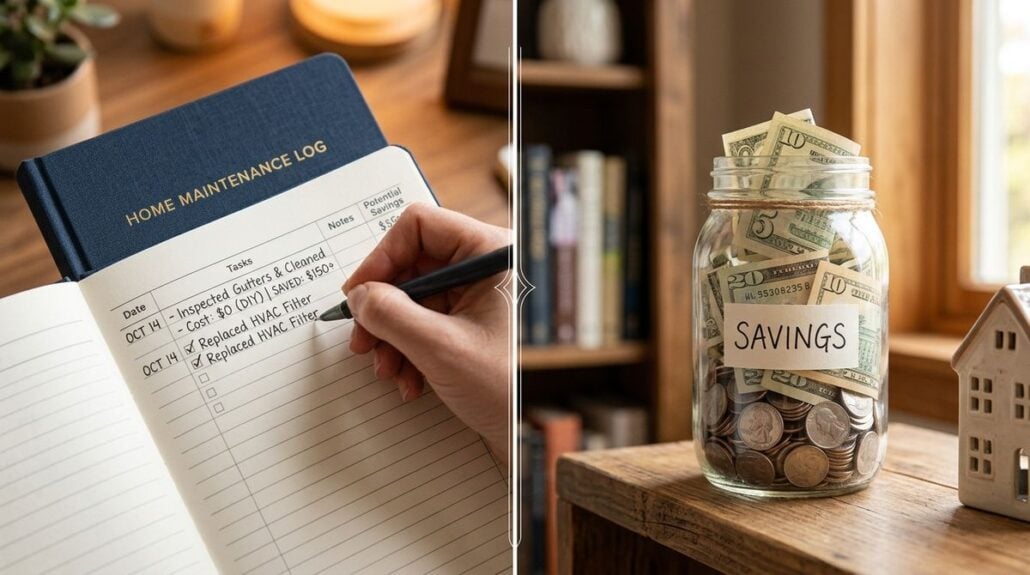
Most household disputes start with a missing record rather than a bad intention. A renter or homeowner who cannot show the condition of a room on a given date has little to point to later. A good documentation habit, learned during one careful move-in, can be repeated for every room, appliance and contract that follows. This article describes general steps for building that habit. Local rules differ from place to place, so formal advice should come from a qualified professional whenever a real question arises.
Start With a Move-In Walkthrough
A detailed walkthrough on the first day sets the baseline for everything that follows. Walk each room slowly and note marks, scratches, stains and any appliance that does not work as expected. Photograph each area with a clear date stamp on the phone, and keep the original image files in a safe place. Readers may also want to visit Microphone Authority.
Send the written list to the other party using a method that leaves a saved record, such as a message that can be kept. Ask for a reply that confirms the list or adds any missing details that were overlooked. Keep both the list and the reply together in one folder. A short exchange at the start prevents long arguments at the end of a tenancy or a sale.
Keeping a Running Log of Repairs and Requests
Every repair request should go into a simple log with the date, the problem described and the response received. Use the same format each time so the log is easy to scan quickly. Attach a photo when a problem is visible, and note who was present during any inspection or visit. These entries form a timeline that makes it far easier to explain what happened and when it happened.
You can also visit justanotherdeveloper.net for more reading. Choose the format that you will actually maintain, whether that is paper or a digital note. A log that is updated every week is far more useful than a detailed one that falls behind. Consistency matters more than length, so keep each entry short and factual.
Saving Contracts and Payment Records Together
Contracts, receipts and payment confirmations belong in one folder, arranged by date and by subject. Scan each document as soon as it is signed and rename the file so the name describes its contents clearly. For a related read on this site, see Turning One Favorite Weeknight Dinner Into a Repeatable. Keep a second copy in a separate location, such as an external drive stored away from the home.
Note the date of each payment and the method used, since proof of payment matters in many situations. Store paper originals in a fireproof box if your home has one, and keep the box in a known place. Review the folder every few months and remove duplicates that add no real value. A calm review is far easier than an emergency search through a cluttered drawer.
When to Ask a Professional
General records cannot replace advice on a specific dispute or a formal notice. When a question involves money, property rights or a legal deadline, consult a qualified professional who knows the local rules. Local courts, housing agencies and consumer offices often publish official information that explains the basic steps. Read that material carefully and keep notes of every conversation you have with officials.
Bring your organized folder to the appointment so the advisor can review the timeline quickly. A clear file often saves time during the meeting and helps the advisor focus on the matters that count most. Prepare a short written summary of what happened, listing the dates and the key documents involved. That summary gives the professional a useful starting point for the discussion.
Sharing Records Without Oversharing
Records are most useful when the right people can see them without seeing everything else. Share only the documents relevant to a particular question, and keep personal details out of general correspondence. A copy sent to yourself as a dated message can serve as a simple time stamp, provided your account is secure. Always keep the original files untouched so the record remains credible.
Photographs and notes should be labeled with the room and the date, not with private personal information. Store sensitive records in a locked drawer or an encrypted folder. Ask before sharing a file with a third party, and keep a note of who received it. Careful sharing protects privacy while still giving useful evidence when it matters most. Review the list of recipients every few months as well.
Turning the Habit Into a Routine
The habit of recording and saving is simple, but it works only when it is repeated consistently. Set a monthly reminder to update the log, review the folder and add any new receipts or letters. Once the routine is in place, the next move, renewal or repair begins with a proven method rather than a scramble for details. Good records protect households quietly, long before anyone needs them in an urgent moment.