
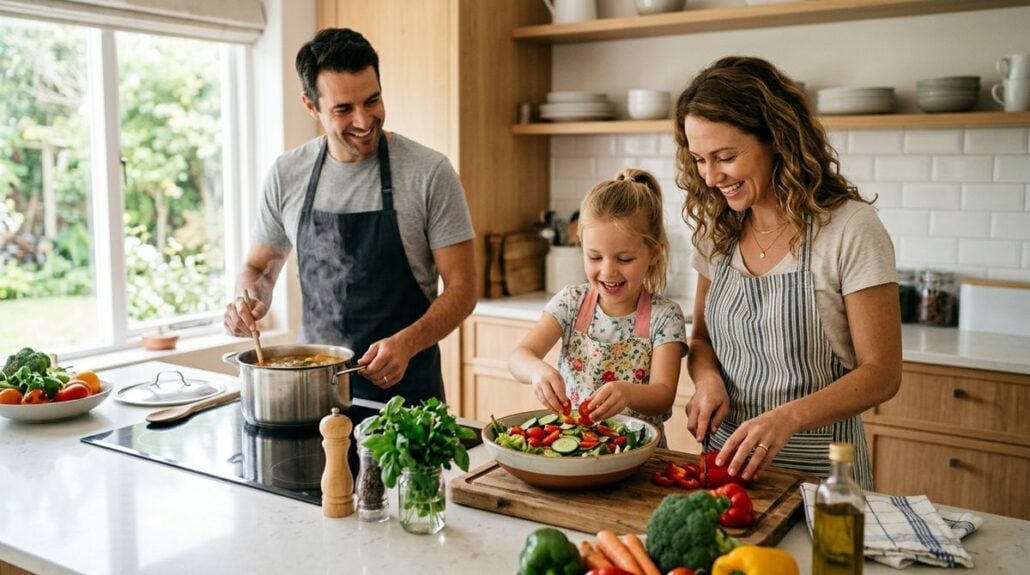
Weeknights often arrive with little energy and a long list of obligations. Cooking a full meal from scratch can feel impossible after a late meeting or a long commute. Batch cooking offers a practical alternative, where a few hours on one day produce meals for several evenings. This article explains a calm, realistic method for planning, cooking and storing food. It is general information, meant to fit around ordinary schedules rather than replace them.
Planning Meals Around Shared Ingredients
Choose three or four dishes that use overlapping ingredients. Grains cooked in one pot, a roasted tray of vegetables and a basic sauce can combine into several dinners. Write the plan on one page and check it against the week’s appointments. Overlap reduces shopping trips and keeps the kitchen tidy. Readers may also want to visit Sali Blog.
Choose recipes with flexible steps, so a missing spice does not derail the whole batch. Keep a small list of substitutions taped inside a cabinet door. Ingredient swaps are easier to manage when you already know which ones work well. A flexible plan makes the grocery run less stressful.
Setting Up a Two-Hour Cooking Window
Pick a weekend block that feels least crowded, and keep it consistent. Begin by preheating the oven and washing vegetables while the water heats. Cook the longest items first, then use the resting time to chop and portion the rest. Two focused hours can produce enough food for several weeknights. You can also visit shaftdeals.com for more reading.
Keep knives sharp, cutting boards clean and containers labeled. A tidy workspace shortens cleanup and makes the next session easier to start. Put a timer on the counter so you can see how the batch is progressing. Clear timing keeps the session from stretching into the evening.
Set out a small tray for scraps and wrappers so they never reach the counter. Wipe surfaces between tasks to keep the workspace calm. Fill the sink with warm water as soon as you start cooking. These habits keep the final cleanup short and pleasant.
Cooling, Storing and Labeling Safely
Food should cool quickly before going into the fridge or freezer. Shallow containers help heat escape faster than deep pots, and they make portions easier to remove. Write the dish name and cooking day on every container label. Follow the storage guidance on your appliance’s official pages for how long each item keeps. For a related read on this site, see Simple Lease Basics for Renters With Little Free.
Keep a short note on the fridge listing which meals are ready to eat and which need reheating. Clear labels prevent confusion late in a busy week. Use up the oldest containers first, and move new batches to the back. A rotation habit keeps waste low.
Check the labels each evening as you put dinner away, so you can see which containers need attention first. Keep a small pad by the fridge for quick notes about portions that are running low. Freeze any portion that will not be eaten soon, and label it clearly. A little routine attention turns a stocked fridge into a reliable plan.
Reheating Meals Without Extra Dishes
Reheat portions in a covered pan with a splash of water, which keeps grains moist and vegetables bright. A microwave works well for quick dinners when you are tired. Stir halfway through heating to avoid cold spots. A few minutes of attention turns a stored meal into a fresh-tasting dinner. Use one pan for each portion to keep cleanup simple.
Set the table before reheating so the process feels like a finished meal. Small rituals, such as a glass of water or a short walk, help the evening feel complete. Simplicity keeps the routine sustainable. A calm dinner after a long day is a reward worth protecting.
Keep one favorite side dish in the freezer as a backup for nights when plans change. Labeled bags of cooked grains reheat quickly and stretch across many meals. A little reserve prevents takeout from becoming the default. Preparedness protects the routine when life gets messy.
Keeping the Kitchen Calm Across the Week
Batch cooking rarely succeeds through perfection. It works through repetition, honest planning and a willingness to adjust when life intervenes. Review what you cooked each week, note which dishes disappeared fastest, and build the next plan around them. Eventually the kitchen turns into a place of ease instead of pressure.
Share the plan with anyone else who cooks in the house so responsibilities feel fair. Write each person’s tasks on the same board as the menu. Gentle teamwork keeps the batch from feeling like one person’s burden. Shared routines tend to last longer than solo efforts.
Keep a simple rotation for who handles the reheating and packing each week. Sharing these small tasks spreads the effort and avoids burnout in one person. A quick chat at the start of the week sets expectations for everyone. Good teamwork makes the plan feel lighter for the whole household.