
A closet can hold dozens of garments that look fine on the hanger but do not fit or wear as expected. Small features like seam placement, collar shape and fabric weight often explain why an outfit feels unsatisfying once it is worn for a full day. Taking a closer look at these features can make getting dressed far easier.
Home organization and wardrobe care share a common goal, which is making everyday choices simpler. The tips below focus on general practice rather than particular brands or labels. They are meant to be adapted to any body type and personal style, since no single rule fits every wardrobe. Each person will find their own balance of comfort, fit and care. Revisiting that balance now and then keeps the wardrobe honest.
Shoulder Seams and Fit Lines
The shoulder seam is one of the most revealing points on a garment. When it sits beyond the natural shoulder edge, the whole top can look oversized, even if the chest measurement is correct. Checking this line in a mirror in natural light helps reveal whether a piece is a good match for the wearer.
A tailor can often adjust sleeve length or waist shape, but shoulder changes are more difficult and costly. Readers may also want to visit Product Items.
A hem, a taper or a simple button change is usually a straightforward job. Anything that moves the structure of a jacket, such as the armholes or the shoulder seam, deserves a trial fitting before the work begins. A simple sketch of the proposed change can help the tailor understand the goal.
Fabric Weight and Drape
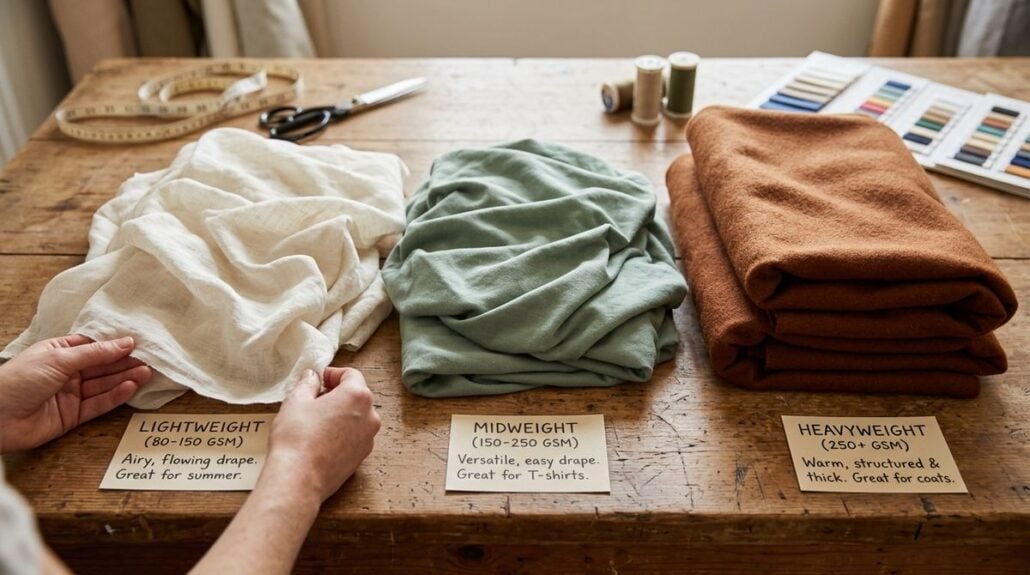
Fabric weight changes how clothing moves. Lightweight knits can feel breezy but cling in humid weather, while heavier wovens hold a structured shape and may feel warm on a mild day. Notice how a fabric falls when you hold it by one corner, since drape reveals a great deal about comfort.
A fabric that hangs in soft folds often feels relaxed on the body, while one that stands away from the figure may need a different cut. Comparing several options side by side makes these differences easier to see.
Pairing fabrics with the occasions a person actually attends makes the wardrobe more useful. You can also visit Colourpop for more reading.
Look at the fabric by hand in a few different light settings, since a color that looks rich indoors can appear flat outside. Taking the time to see the cloth in daylight prevents disappointment once the garment is at home.
Washing Labels and Care Routines
Care labels are short but important. A label marked for gentle cycles or flat drying signals how the garment is meant to age. Ignoring those instructions can shrink knits, fade dark colors or distort shoulder lines in a single wash that seemed harmless at the time.
Create a simple routine with separate baskets for delicates, darks and towels. For a related read on this site, see Survey Stakes and Boundary Markers Most Homeowners Never.
Air each garment after a long day of wear before returning it to the closet. A short time on a hanger near a window reduces odor and helps the fabric recover its shape without any special product.
Storage That Protects Shape
How clothes are stored affects how long they last. Heavy coats can stretch when hung from thin hangers, and knits lose shape when stacked too high on a shelf. Using padded or wide hangers for structured pieces and folding knitwear keeps the garments looking their best for many seasons.
Keep shoes and accessories in breathable containers, and rotate seasonal items so the closet does not become a jumble. Clear sorting also makes it easier to notice when a piece needs repair before a small loose thread becomes a larger problem.
Keep a small sewing kit near the closet with a few neutral thread colors and a pair of sharp scissors. A quick stitch the moment a seam loosens prevents a larger repair later and keeps the piece in regular rotation.
Choosing Fewer, Better Pieces
A thoughtful wardrobe does not need to be large. Choosing well-fitting pieces in fabrics that suit daily life makes dressing faster and reduces the urge to buy again on impulse. Each item earns its space by working well with several others already in the closet.
Revisit the closet a few times a year. Remove anything that no longer fits, feels uncomfortable or needs repairs that will never happen. A smaller, careful collection often feels more personal and more pleasant to use than an overstuffed one that hides favorite pieces.
Keep a note of favorite combinations, perhaps on the inside door of the wardrobe. Seeing what works together encourages the wearer to reach for the best pieces more often. Photographing an outfit that works well can serve as a quick reference on busy mornings.